
It started as another wellness buzzword on TikTok. But sleepmaxxing — the practice of optimizing every variable of your sleep — has quietly become one of the biggest health trends of 2026, complete with its own economy of sleep masks, magnesium supplements, and sleep trackers. In South Korea, one of the world’s most sleep-deprived countries, the pursuit of perfect rest has turned into both a lifestyle movement and a booming business. And now a growing chorus of sleep experts is warning that the quest for perfect sleep can backfire.
What Is Sleepmaxxing?
Sleepmaxxing is the practice of maximizing sleep quality through an optimized nighttime routine. The “maxxing” suffix comes from gaming culture, where players maximize a character’s stats — here, the stat is your sleep.
A typical sleepmaxxing routine includes some combination of:
- A strict wind-down ritual — no screens an hour before bed, dimmed lights, a consistent bedtime
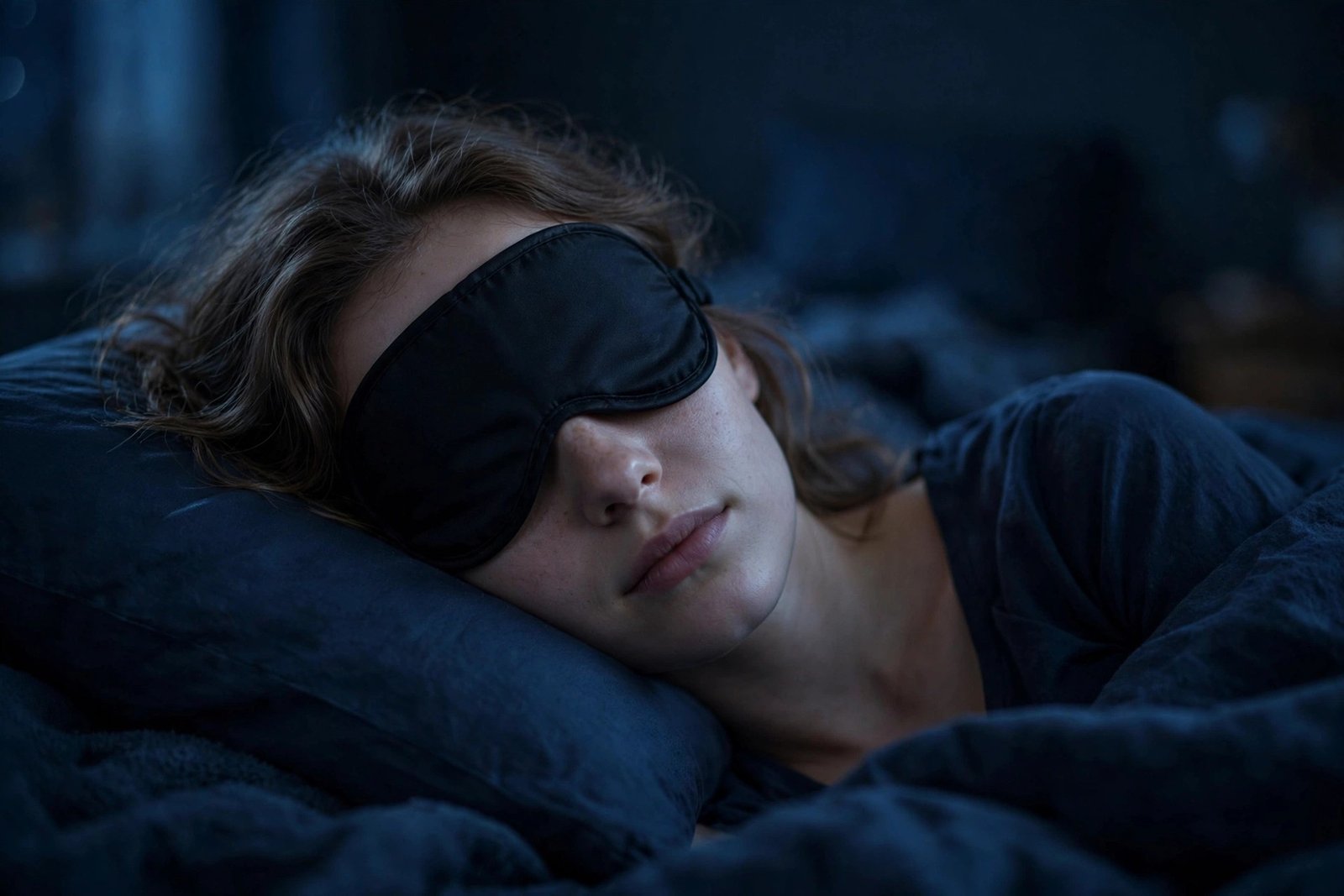
- A blackout setup — sleep masks, blackout curtains, earplugs or white noise
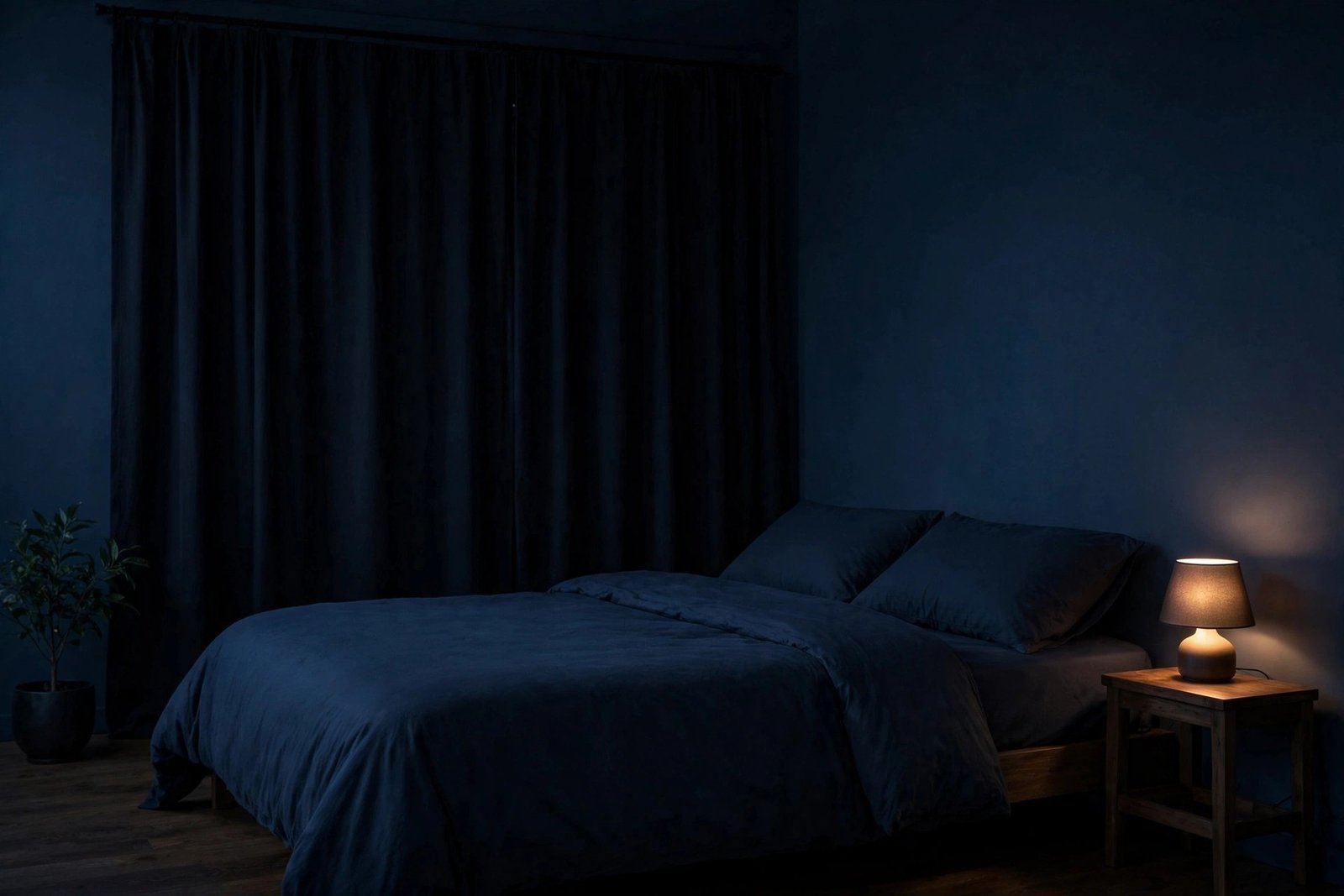
- Temperature control — a cool bedroom, often cited as the single most impactful factor
- Supplements — magnesium glycinate has become the breakout star of the trend
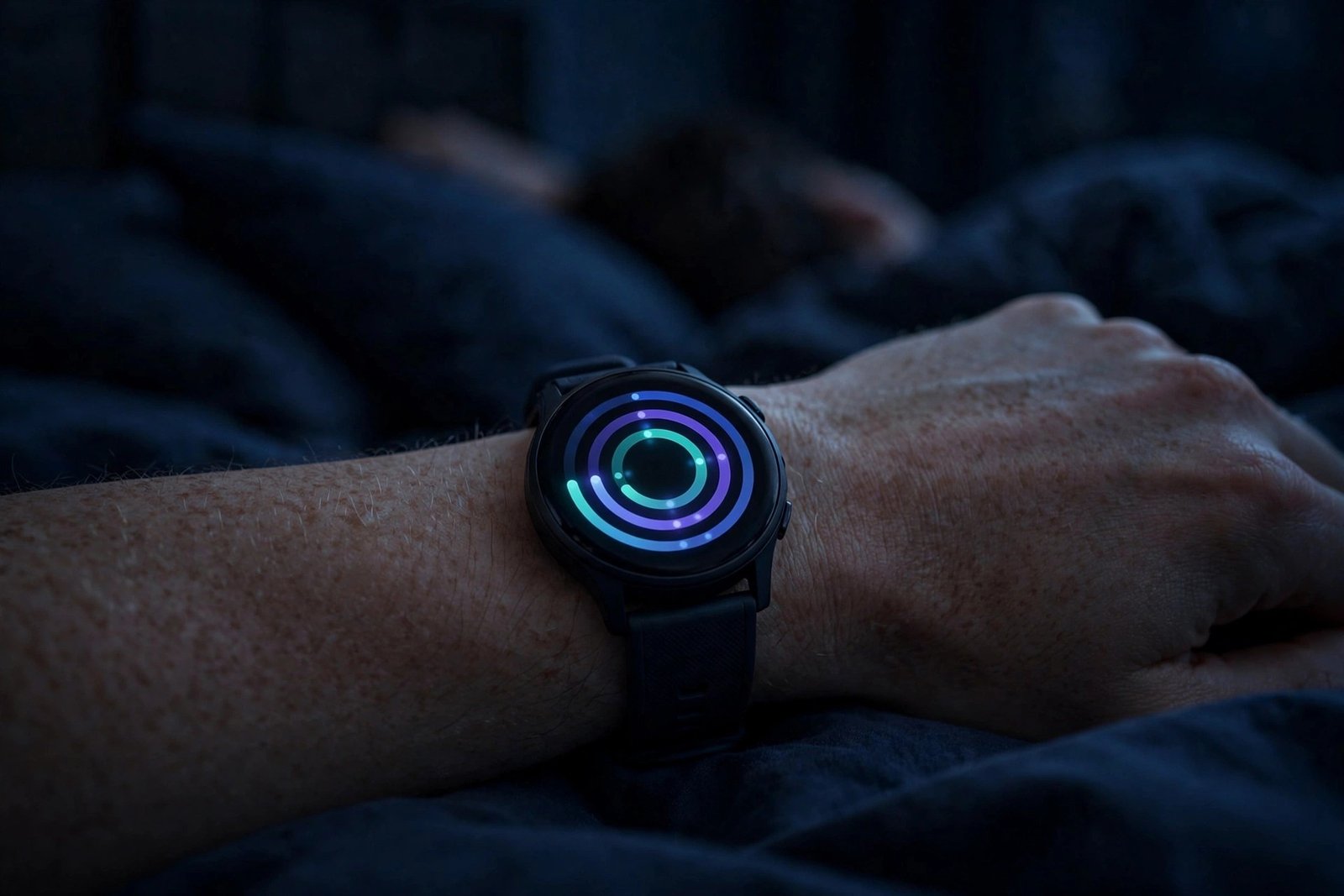
- Tracking — smartwatches and rings that score your sleep every morning
Search interest tells the story. Consumer search data rebuilt on October 1, 2026 (Rising Trends) shows searches for “magnesium glycinate for sleep” up roughly 235% year over year, while eye-mask searches climbed 22% year over year and “better sleep” queries jumped 83% year over year — with the trend still compounding, not fading. An indy100/Herbalife survey of Gen Z longevity trends found 7% say they are trying sleepmaxxing in 2026. The trend has been building since World Sleep Day coverage in March — this is sustained interest, not a weekend fad.
The Korea Angle: Where Better Rest Became Big Business
Some of the trend’s strongest momentum comes from South Korea. In March 2026, the Korea JoongAng Daily reported on the country’s sleep-industry boom: a market that grew more than tenfold, from about 480 billion won in 2011 to roughly 5 trillion won, as younger consumers pour money into premium mattresses, hotel-style bedding, and adjustable motion beds. The paper noted rising interest in sleepmaxxing — the practice of optimizing sleep quality — as bedrooms turn into second living rooms and leisure spaces.
The context explains the obsession. South Korea is consistently ranked among the most sleep-deprived countries in the OECD, with long working hours and intense academic pressure leaving many residents chronically fatigued. When rest is scarce, optimizing it starts to look less like a luxury and more like a survival strategy.
Does Sleepmaxxing Actually Work?
Here’s the honest answer: the boring parts of sleepmaxxing work extremely well, and the extreme parts are mostly theater.
Sleep researchers have said for decades that the highest-impact levers are unglamorous: a consistent bedtime, a dark room, a cool room, and no alcohol or heavy screens late at night. Almost everything effective inside the sleepmaxxing playbook is just classic sleep hygiene with a viral name — which is precisely why the trend caught on. It repackaged advice people had heard a hundred times into something that felt new.
The supplement hype deserves more caution. Magnesium glycinate is having a moment, but experts note that most of the buzz outruns the evidence: it may help people who are genuinely deficient, but it is not a magic sleep switch. The same goes for elaborate “stacks” of nighttime supplements trending in sleepmaxxing videos. Our earlier look at 2026’s biggest wellness obsession covers how fast a good routine can turn into an expensive shopping list.
When Sleepmaxxing Backfires: The Orthosomnia Warning
The darker side of the trend has a clinical name: orthosomnia — an unhealthy obsession with achieving perfect sleep, often fueled by the very trackers sleepmaxxers love.
Experts quoted in recent coverage have grown blunt about the obsession with perfect sleep. Insomnia specialist Kathryn Pinkham told AFP the trend “can be actively unhelpful, even damaging,” while a George Washington University report found most sleepmaxxing claims lack medical research support. Dr. Alanna Hare of London’s Royal Brompton Hospital told the BBC that many consumer sleep scores are “completely made up” — and that trackers may worsen sleep for patients already struggling. Around World Sleep Day 2026, German somnologist Dr. Judith Abel warned that constant sleep optimization “can cause added pressure,” naming the resulting condition orthosomnia — an unhealthy fixation on achieving perfect sleep, often fueled by the very trackers sleepmaxxers love.
The mechanism is cruelly ironic: anxiety about your sleep score keeps you awake, the tracker reports a bad night, the anxiety deepens, and the cycle tightens. Some sleepers report lying awake worrying about whether they’re sleeping correctly — the exact opposite of what the trend promises.
Mouth taping, one of the trend’s more extreme hacks, draws particular skepticism from clinicians, who note the risks for anyone with nasal congestion or undiagnosed sleep apnea far outweigh any unproven benefit.
The money flowing into the trend explains some of its momentum. The sleep tracker market was valued at $7.74 billion in 2026 and is projected to reach $25 billion by 2034, according to Fortune Business Insights — while the magnesium supplement market was valued at $4.37 billion in 2024 and is forecast to reach roughly $8.94 billion by 2034, per Custom Market Insights. When billions are at stake, “you need this for perfect sleep” becomes a very loud message.
The Evidence-Based Sleepmaxxing Routine (What Experts Actually Recommend)
Strip away the hype and the expert-approved version of sleepmaxxing is refreshingly simple:
- Keep a fixed wake time — even on weekends. Regularity beats duration for sleep quality.
- Make the room dark, cool, and quiet — blackout curtains or a sleep mask, earplugs if you need them. This is the highest-value “hack” there is.
- Cut screens 60 minutes before bed — the blue-light debate is overstated, but the mental stimulation is real.
- Watch the caffeine clock — nothing caffeinated after early afternoon.
- Use the tracker as a trend tool, not a judge — weekly patterns matter; a single bad “score” means nothing.
- See a doctor for real problems — loud snoring, gasping, or chronic insomnia are medical issues, not lifestyle projects. And as 2026’s biggest product-safety story showed, even household-name products deserve a second look before they become daily habits.
The throughline: optimize the environment, respect the routine, and stop chasing a perfect score. The sleepmaxxers who traded late nights for disciplined rest stumbled onto something real — sleep is a performance enhancer. They just don’t need a $300 gadget stack to prove it. For a deeper dive into how the brain actually benefits from deep rest, see our coverage of the discovery that won this year’s biggest medicine prize.
The Bottom Line
Sleepmaxxing works best when you ignore its name. Behind the viral packaging is the oldest sleep advice in the book — consistent hours, a dark cool room, and less late-night stimulation — dressed up for a generation that discovered it on their phones. Take the routine, skip the obsession, and let the tracker stay in its lane.
Sweet dreams — no score required.