
Panama Earthquake 2026: 7.7-Magnitude Quake Hits Panama, Triggers Tsunami Alerts
A powerful 7.7-magnitude earthquake struck Panama on Friday, October 9, 2026, sending people fleeing from swaying skyscrapers in the capital, collapsing buildings in the country’s central provinces and setting off tsunami alerts across nine countries. The Panama earthquake, which hit at 12:56 p.m. local time, was the strongest tremor the region has felt in decades — and more than 80 aftershocks have kept millions of people on edge ever since.
Here is what we know so far.
What Happened in Panama
The earthquake struck at 17:56 UTC (12:56 p.m. local time) on Friday, with its epicenter about 10 kilometers from the small town of Pitaloza Arriba in Herrera province, in south-central Panama. The U.S. Geological Survey (USGS) measured it at magnitude 7.7 at a shallow depth of roughly 12.6 kilometers — shallow quakes like this one tend to cause far more damage at the surface than deeper ones.
The agency first estimated the tremor at magnitude 8.0 before revising it down to 7.7. The shaking lasted around a minute and was felt across the entire country of about 4.5 million people. Near the epicenter, the shaking reached an intensity of IX on the Mercalli scale — classified as “violent,” strong enough to destroy buildings.
In Panama City, roughly 200 kilometers from the epicenter, there were scenes of panic as office workers and residents rushed out of the city’s tall towers. One widely shared video appeared to show water sloshing off a rooftop swimming pool on a building more than 20 stories high, though news agency AFP noted it could not verify the footage. Another clip showed a bridge over the Panama Canal shaking violently while traffic continued to cross it.
Panama Earthquake Tsunami Alerts: Which Countries Were Warned
Within minutes of the quake, the U.S. Tsunami Warning System issued potential tsunami threats covering nine countries: Panama, Nicaragua, Colombia, Ecuador, Costa Rica, El Salvador, Peru, Mexico and Guatemala. Officials warned that “hazardous tsunami waves” were possible along Pacific coastlines.
A tsunami threat means dangerous waves are possible and coastlines should be watched, while a confirmed tsunami warning means one is on its way. In this case the danger passed — but coastal residents were still told to stay alert and follow local emergency broadcasts.
Damage and Injuries
The damage was concentrated in Panama’s central provinces — Herrera, Azuero, Veraguas and Los Santos — where buildings and roads collapsed. In the city of Penonomé, rescue workers walked past shattered buildings as crews searched for anyone trapped.
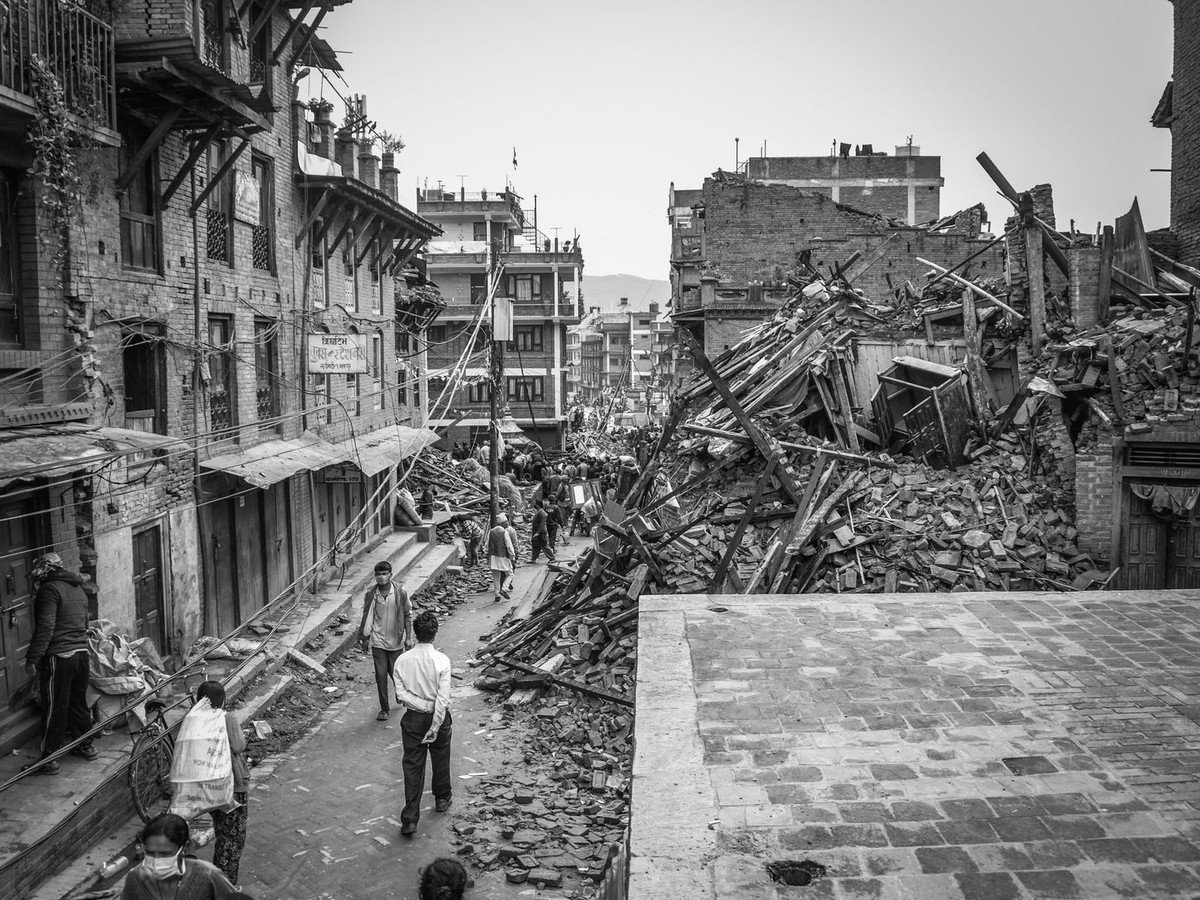
“We are facing a major disaster,” President José Raúl Mulino said, adding that some roads had “completely collapsed.” Panama’s National Civil Protection System (SINAPROC) said it was tracking damage reports from across the country.
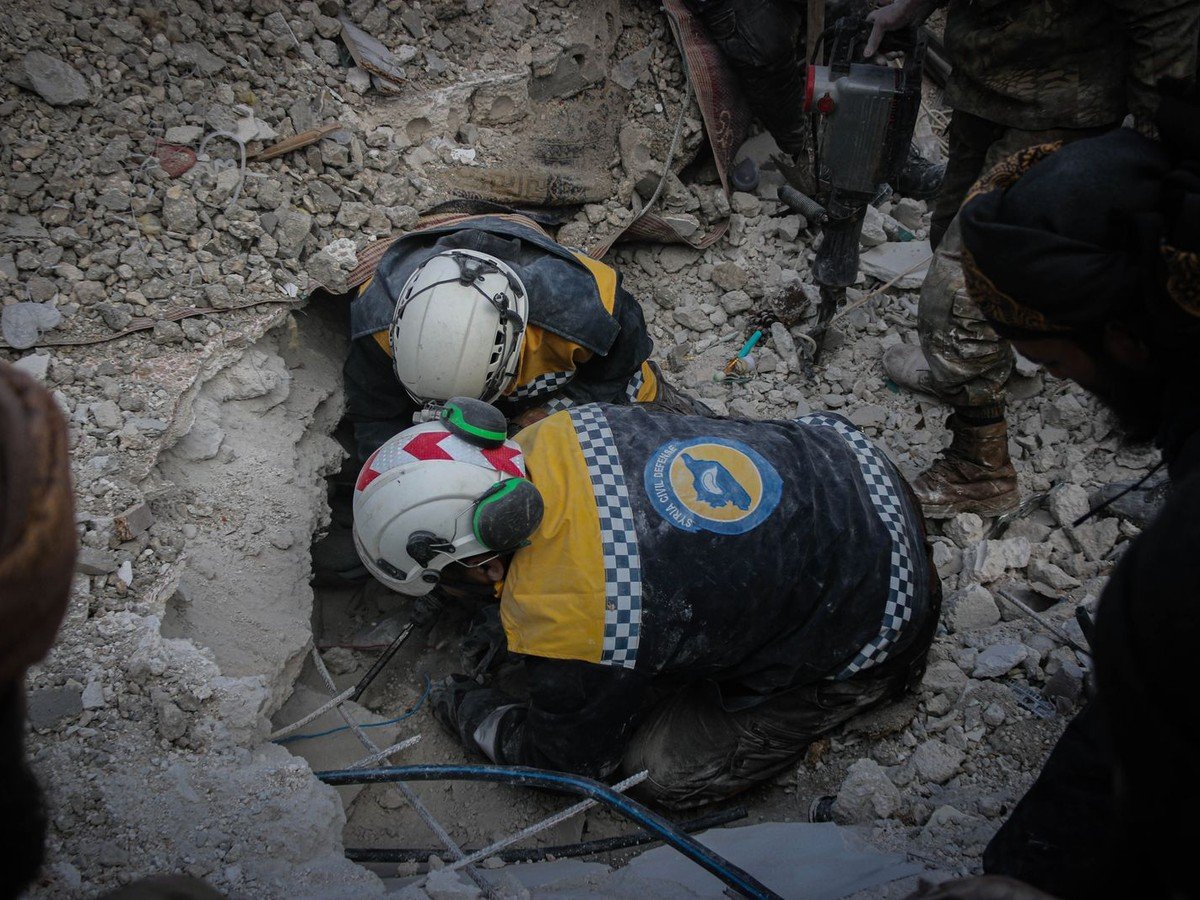
Residents described terrifying moments. “It was horrible, like nothing we ever experienced. My daughter was trapped in school,” Juana Alveo, a 38-year-old store cashier in Penonomé, told AFP. Another resident, Salomón Andión, 46, said he evacuated his 15-story building twice as aftershocks kept coming: heavy furniture shook, beds slid and kitchen items rattled for what felt like forever.
As of late Friday, no deaths had been confirmed, and at least 27 people were reported injured, according to the latest reports — though officials cautioned the figures could change as rescue operations continued. Administrative offices and schools suspended operations until further notice, and Tocumen International Airport temporarily halted flights so runways and terminals could be inspected.
The Videos Everyone Is Sharing — and Why Caution Matters
Social media filled up within hours with dramatic clips: the rooftop pool water pouring down a tower, the trembling canal bridge, and people pouring out of office buildings. Some of these clips are genuine; others circulating online may be old footage from different disasters or edited for shock value. In moments like this, unverified clips spread faster than facts — which is exactly how viral fake news spreads. Before resharing a dramatic video, check whether a trusted news source has confirmed it.
Aftershocks: More Than 80 and Counting
The main quake was only the beginning. More than 80 aftershocks were recorded in the hours after the disaster, including a powerful magnitude 6.6 tremor about three hours later and significant shakes of magnitude 5.8, 5.5 and 5.2. The U.S. Embassy in Panama warned that aftershocks “capable of causing damage” could still occur and urged Americans in the affected areas to stay away from damaged structures and monitor local emergency broadcasts.
The Panama Canal Keeps Running
Reassuringly, the Panama Canal Authority said shipping through the canal was unaffected and operating “as normal,” with inspections underway.
The United States said it was watching closely. Secretary of State Marco Rubio said he was “closely monitoring reports of the earthquake,” adding that the State Department was “rapidly mobilizing resources and personnel” to help at Panama’s request. The U.S. Embassy’s consular hotline is available around the clock for affected Americans: +1-202-501-4444 from abroad or +1-888-407-4747 from the U.S. and Canada.
What to Do if an Earthquake Hits You
Earthquake safety experts recommend the same simple steps wherever you are:
- Drop, cover and hold on during the shaking. Get under a sturdy table or desk and hold on until it stops.
- Stay away from windows, glass and anything that could fall on you.
- If you are outside, move to an open area away from buildings, trees and power lines.
- After the shaking stops, check yourself and others for injuries, and do not enter damaged buildings.
- Expect aftershocks — they can be strong enough to bring down already-weakened structures.
- If you are near the coast and officials issue a tsunami alert, move to higher ground immediately. Do not wait to see the wave.
- Keep a basic emergency bag ready: water, a flashlight, a phone charger, important documents and any essential medication.
Panama Earthquake: FAQs
Was there a tsunami after the Panama earthquake?
No. Tsunami threats were issued for nine countries after the quake, but monitoring agencies later confirmed no significant waves materialized and the alerts were lifted.
Did anyone die in the Panama earthquake?
No deaths had been confirmed as of late Friday. At least 27 people were reported injured, and officials said the numbers could be updated as rescue work continued.
Is the Panama Canal open after the earthquake?
Yes. The Panama Canal Authority confirmed that shipping through the canal was unaffected and operating normally, with facility inspections underway.
Is Panama prone to earthquakes?
Yes. Panama sits in a tectonically active region where several plates and smaller crustal blocks grind against each other. A major quake of magnitude 7.7 is rare, however — this was the strongest to hit the region since the 1991 Limón earthquake, which killed dozens of people in Costa Rica and Panama.
Also in world news today: Navi Pillay won the 2026 Nobel Peace Prize, capping a dramatic week for global headlines.