
How to Get Rid of Ants: 7 Fixes That Actually Work
A line of ants across the kitchen counter is one of the most annoying sights in any home. You wipe them away, and an hour later they are back — marching the exact same trail. If you want to learn how to get rid of ants for good, here is the first thing most people get wrong: spraying the ants you see barely helps. Those are just foragers, a small share of the colony. The queen is hidden somewhere you cannot reach, laying eggs around the clock. You win by thinking like the colony, not by fighting its scouts.
Quick answer: To get rid of ants, do not spray the ones you can see. Wipe the scent trail with a 50/50 mix of vinegar and water, remove every food source, then set slow-acting bait stations along the trail. Foraging ants carry the bait back to the queen, which collapses the whole colony — usually within one to three weeks.
Why Do Ants Keep Coming Back?
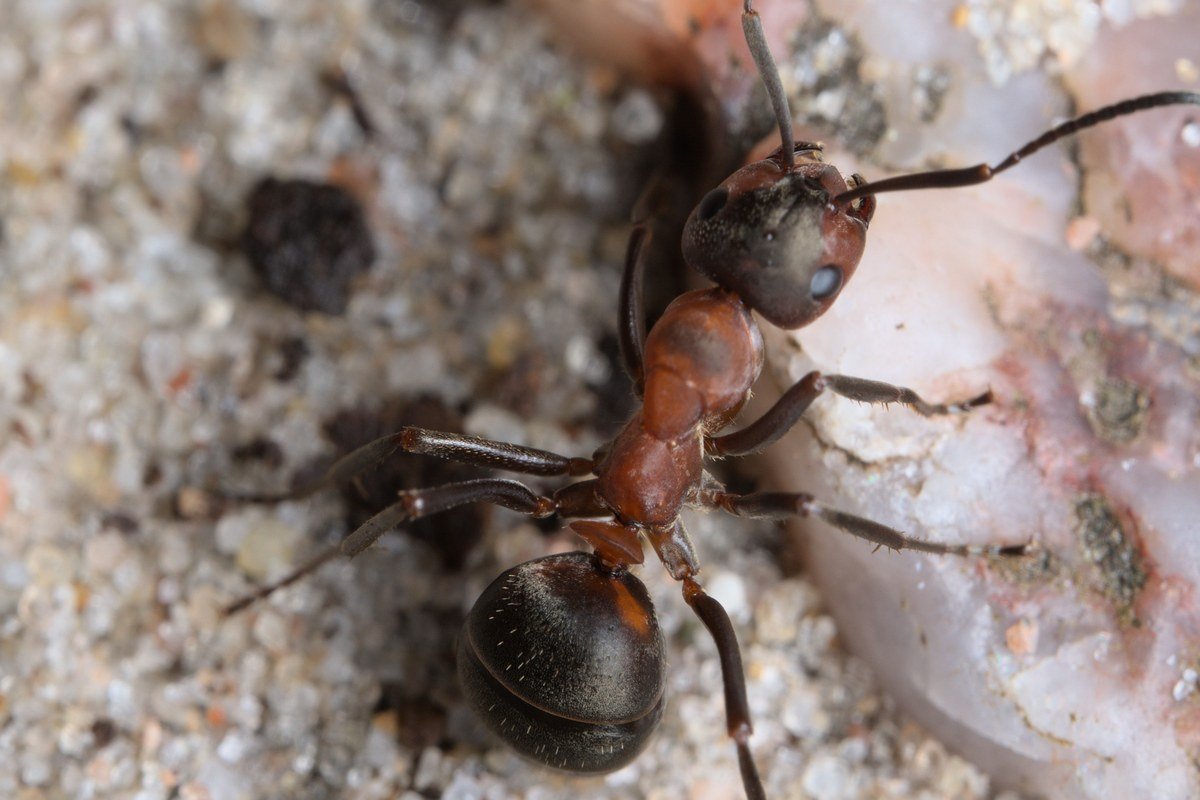
It always starts with one scout ant wandering around your kitchen. When she finds something edible — a few crumbs, a sticky juice ring, the dog’s bowl — she heads home laying down a pheromone trail, an invisible chemical road that says “food this way.” Within hours, hundreds of sisters follow that exact road.
Killing visible ants changes nothing — you are wiping out the delivery drivers while the factory keeps producing more. The fix has two parts: erase the road, and get poison into the factory.
How to Get Rid of Ants in 7 Steps
Step 1: Remove Every Food Source
Ants show up because something is feeding them. Walk your kitchen like a scout ant and remove the buffet:
- Wipe counters, the stove top, and the table after every meal — even crumbs you can barely see count.
- Store sugar, honey, cereal, and pet food in sealed containers with tight lids.
- Do not leave fruit sitting out for days. A fruit bowl on the counter is an open invitation — learn how to keep bananas fresh longer and store them so they do not attract pests.
- Take the trash out regularly and rinse recyclables before tossing them in the bin.
- Pick up pet food bowls between meals instead of leaving them down all day.
Starving the colony does not kill it, but it makes every other fix work faster — and it stops new scouts from recruiting.
Step 2: Wipe Out the Scent Trail
Even after the food is gone, the pheromone road stays behind, pulling ants back to the same spots. Erase it:
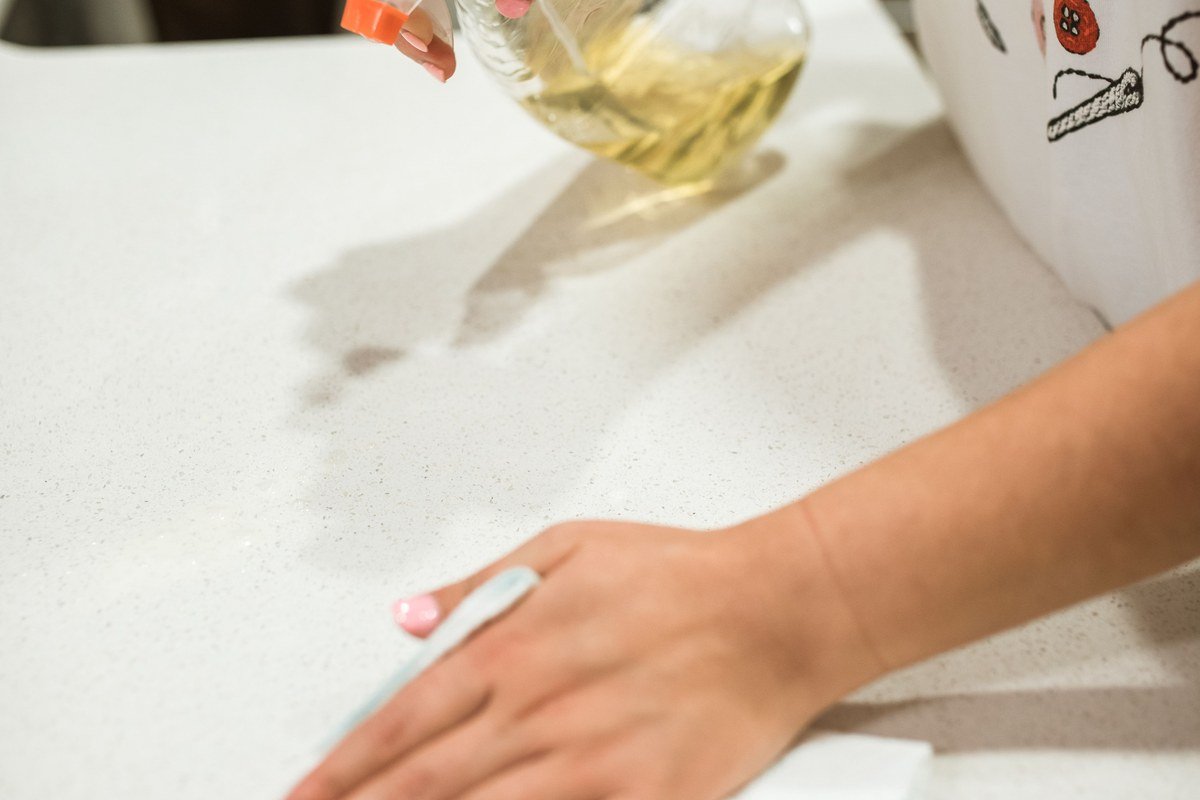
- Mix equal parts white vinegar and water in a spray bottle, spray the trail and surrounding area, then wipe clean.
- For stubborn spots, use fresh lemon juice — wipe it on and let it sit a few minutes before wiping off.
- Also wipe where the trail enters: windowsills, baseboards, and under the sink.
Vinegar does not kill ants, but it scrambles the chemical signals they follow. Without the road, the colony loses its route to your kitchen.
Step 3: Set Baits, Not Sprays (This Is What Kills the Colony)
This is the step that actually ends the infestation. Bug sprays kill the ants you can see and scatter the rest, which often makes things worse. Slow-acting bait stations work the opposite way: foraging ants eat the bait, walk it home, and share it with the queen and the young. The colony poisons itself from the inside.
- Place bait stations right along the ant trail — do not move the trail first; you want them walking through the bait.
- Resist the urge to spray or squash the ants visiting the bait. Every forager you kill is one less delivery driver.
- Keep bait stations away from children and pets, and follow the label instructions exactly.
- Give it time. Baits are slow on purpose — fast-kill poisons never make it back to the queen.
If one bait type gets ignored for a few days, try another. Some colonies prefer sweet baits, others protein-based ones.
Step 4: Seal the Entry Points
- Caulk gaps where pipes enter walls and where baseboards meet the floor.
- Add weatherstripping or a door sweep to leaky window frames and door thresholds.
- Trim branches and bushes so they do not touch the house — ants use them as bridges.
Step 5: Try These Natural Remedies
Natural fixes will not wipe out a colony on their own, but they are good support players:
- Food-grade diatomaceous earth: a fine powder that damages the waxy coating on ants’ bodies. Dust it in dry spots along baseboards — it only works when dry.
- Cinnamon or peppermint oil: strong smells that ants dislike. A line of ground cinnamon or a few drops of peppermint oil on a cotton ball can block a doorway they keep using.
- Boiling water: for outdoor mounds, a kettle of boiling water poured directly into the nest entrance kills a large number of ants at once. It may take a couple of tries.
Think of these as fences, not weapons. They redirect ants; the bait finishes them.
Step 6: Know When to Call a Pest Professional
Most kitchen ant invasions are a DIY job. Call a pro when:
- You see carpenter ants — large black ants, sometimes with piles of sawdust-like material near wooden areas. They tunnel into wood and can damage your home’s structure.
- Winged ants appear indoors — that usually means a mature nest is inside the house.
- The infestation keeps returning in the same spot after weeks of baiting.
One warning: if you suspect pharaoh ants (tiny yellow-brown ants), do not spray them at all. Spraying makes their colonies split into several new ones. Baits only, for those.
Step 7: Keep Ants Away for Good
Once the colony is gone, a few habits keep it that way:
- Keep doing the food cleanup from Step 1 — prevention is just Step 1 forever.
- Store pantry goods in sealed glass or hard plastic containers.
- Fix leaky faucets and dry out damp areas; ants need water too.
- Do a quick check each spring for new entry gaps before ant season ramps up.
Fighting another tiny kitchen invader at the same time? Here is how to get rid of fruit flies fast — many of the same cleanup habits work for both.
Ant Questions, Answered
Why do ants suddenly appear in my house?
A scout found food and laid a pheromone trail. What looks sudden is the end of a recruitment process that took hours — you are seeing the parade, not the first marcher.
What kills ants instantly?
Boiling water and soapy water kill ants on contact. But instant killers only handle the ants you can see. For the colony, slow-acting baits win every time.
Do ants hate vinegar?
Vinegar disrupts the scent trails ants follow, which repels them — but it does not kill the colony. Use it to erase trails, then let baits do the killing.
How long does ant bait take to work?
Allow one to three weeks. Workers need time to carry the bait deep into the nest and feed it to the queen.