
You pull laundry out of the machine and instead of a fresh, clean scent, you get a faint musty smell that gets worse as the day goes on. If you keep wondering why your clothes smell after washing, you are probably not doing anything wrong — but your washing routine has a few hidden gaps. This is one of the easiest household problems to fix once you know what actually causes it.
The smell usually does not come from the clothes — it comes from the washing machine itself and small habits that let bacteria grow unchecked. Here are the real reasons behind post-wash odor, and the fixes that actually work.
1. Your Washing Machine Has Never Been Cleaned
This is the number one reason clothes smell after washing. Front-loading machines are the worst offenders: water sits in the rubber door seal, the detergent drawer stays damp, and the drum never fully dries. Mold and bacteria grow there silently, and every load you wash gets a fresh coating of it.
The fix: Run an empty hot-water cycle once a month with two cups of white vinegar in the drum. Wipe the rubber door seal with diluted vinegar, pulling the seal back to clean inside the folds where grime hides. Then leave the washer door and detergent drawer open between loads so moisture escapes. Most people notice a dramatic difference after the very first cleaning cycle.
2. You Leave Wet Clothes Sitting in the Washer
Starting a load before work and forgetting it until evening is a classic odor recipe. Wet clothes in a warm, sealed drum let bacteria multiply fast, and the resulting sour smell can survive even a second wash.
The fix: Move clothes to the dryer or line within 30 minutes of the cycle ending — set a phone timer if you are forgetful. If a load already sat for hours and smells sour, rewash it right away (heat locks odor into fibers) with half a cup of baking soda.
3. You Are Using Too Much Detergent
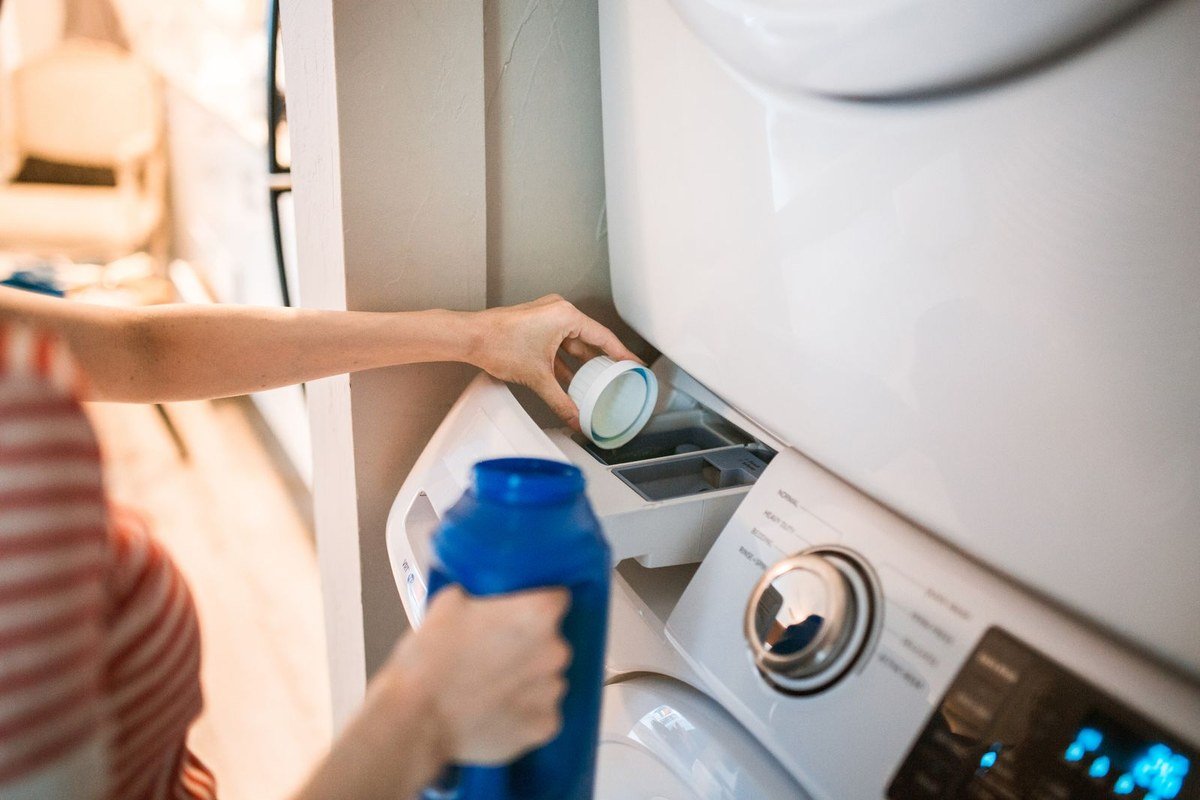
More detergent does not mean cleaner clothes. Excess detergent never fully rinses out, especially in cold water. The residue coats fabric fibers and the machine interior, where it traps bacteria and turns musty. That “perfume plus sour” smell is the telltale sign.
The fix: Measure your detergent instead of eyeballing it — most people use far more than the package recommends. For high-efficiency machines, two tablespoons is often enough for a regular load. If clothes feel stiff or have a waxy film, run one hot cycle with no detergent at all to strip the buildup.
4. Cold Washes Are Not Cutting It
Washing everything cold saves energy, but cool water does not fully dissolve detergent, body oils, or sweat residue. Over time that residue builds up inside the machine and inside fabric fibers, feeding the bacteria that cause odor.
The fix: Once a month, wash towels and bedding on the hottest setting the fabric allows. The heat kills bacteria that cold cycles leave behind and melts waxy buildup cold water cannot touch. Everyday clothes can stay on cool — just give the machine and linens an occasional hot reset.
5. Sweat Bacteria Are Living in Your Gym Clothes
Sweat itself has almost no smell. The odor comes from bacteria that break sweat down into pungent compounds — and they burrow deep into fabric, especially synthetic workout clothes. A normal wash often fails to dislodge them, so the smell comes roaring back the moment the fabric gets warm again.
The fix: Turn gym clothes inside out, and never leave sweaty clothes balled up in a gym bag for days. Pre-soak stubborn items 30 minutes in one part white vinegar to four parts cold water. For persistent cases, enzyme-based laundry boosters break down the protein residue bacteria feed on.
6. Clothes Are Drying Too Slowly
Laundry that stays damp too long — crammed on an indoor rack in a stuffy room, or piled in a basket — develops a musty smell even after a perfect wash. Air circulation matters as much as the wash itself.
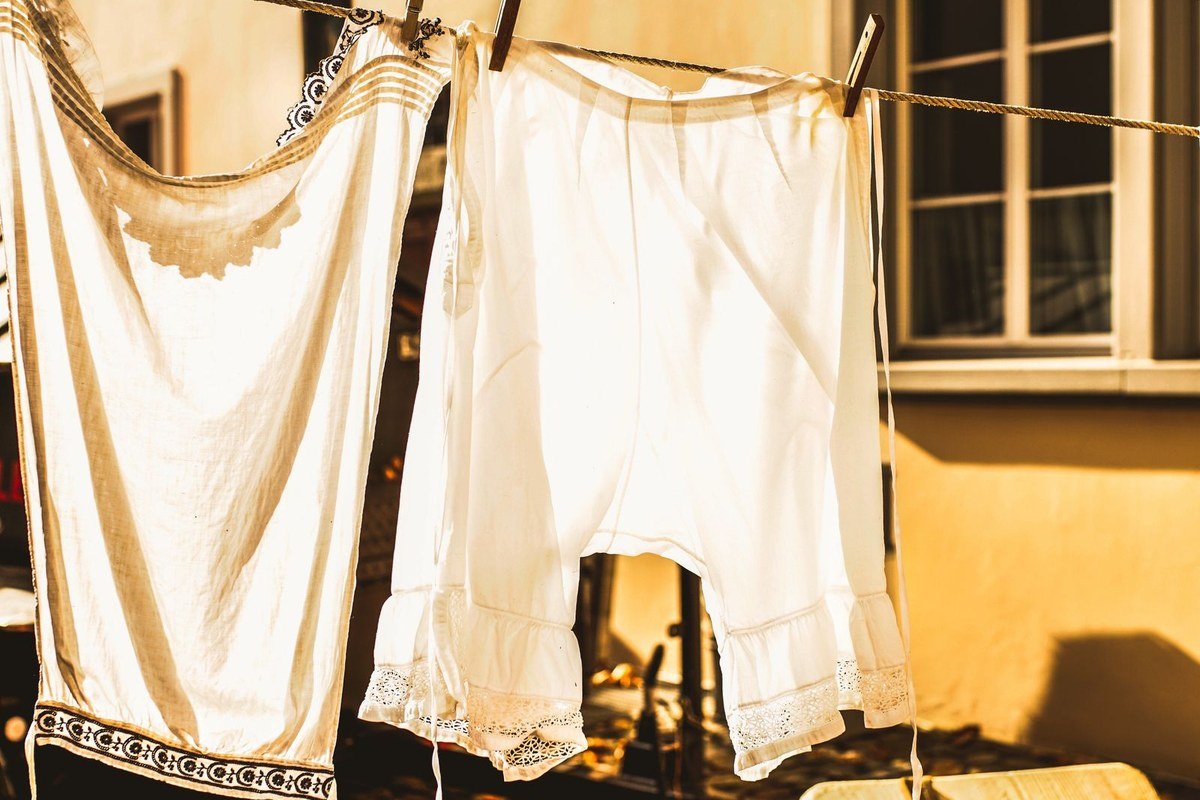
The fix: Give clothes space: spread items out instead of layering them, and dry laundry in a ventilated area or near a fan. Sunlight is a natural disinfectant, so line-drying outdoors kills odor-causing microbes for free. If you use a dryer, do not overload it — clothes need room to tumble so hot air reaches every layer. And never put clothes away until they are completely dry.
7. The Dryer or Laundry Basket Is the Real Culprit
Sometimes the washer is innocent. Dryers accumulate lint, moisture, and old fabric-softener residue, and a dirty lint trap restricts airflow so clothes dry slowly and smell stale. A closed plastic hamper does the same thing — it traps moisture and lets mildew start growing before clothes even reach the machine.
The fix: Clean the lint trap after every load and wipe the dryer drum a few times a year. Switch to a breathable fabric hamper instead of a sealed plastic one, never throw damp towels in with dry laundry, and wash the hamper lining occasionally — it absorbs odor over time.
Keep Laundry Smelling Fresh Long-Term
Once the smell is gone, a few habits keep it away: leave the washer door open after every load, clean the machine monthly with vinegar, measure detergent, and move wet clothes promptly. Like folding a fitted sheet properly, it feels fiddly at first, then becomes second nature.
Clothing care goes beyond the wash cycle, too. If you are already dealing with coffee stains on your clothes or fighting fruit flies in the kitchen, you know that small, consistent fixes beat dramatic one-time efforts every time. Laundry odor works exactly the same way.
Frequently Asked Questions
Why do my clothes smell sour after washing?
A sour smell means bacteria grew in wet fabric or inside the machine — usually from leaving clothes in the washer too long, or a moldy door seal. Run a hot vinegar cycle to clean the machine, then rewash the clothes promptly with half a cup of baking soda.
Why do my clothes smell worse after washing than before?
This happens when the washing machine is dirtier than the clothes. Residue, mold, and bacteria inside the drum, seal, and drawer transfer onto every load. A hot vinegar cleaning cycle plus an open door between washes fixes it.
How do I get the musty smell out of clothes that already dried?
Soak them for 30 minutes in cold water with one cup of white vinegar, then wash again with half a cup of baking soda and normal detergent. Skip fabric softener on the rewash — it can trap odor. Dry them completely in sunlight or a hot dryer.