
How to Unclog a Drain Without a Plumber: 7 Methods That Actually Work
Quick answer: Work from the gentlest method upward: flush with hot water, use baking soda and vinegar, plunge with a cup plunger, clear hair from the stopper, snake the drain, wet-vacuum the clog, or clean the P-trap. Use chemical drain cleaner only as a last resort — it can damage pipes.
A slow or standing drain is one of the most annoying household problems — and one of the cheapest to fix. Learning how to unclog a drain without a plumber can save you a service call for the majority of routine clogs, which are usually just soap scum, hair, and grease built up within reach. Here are seven methods ordered from easiest to most involved — start at the top and stop as soon as the water flows freely again.
1. Flush with Hot (Not Boiling) Water
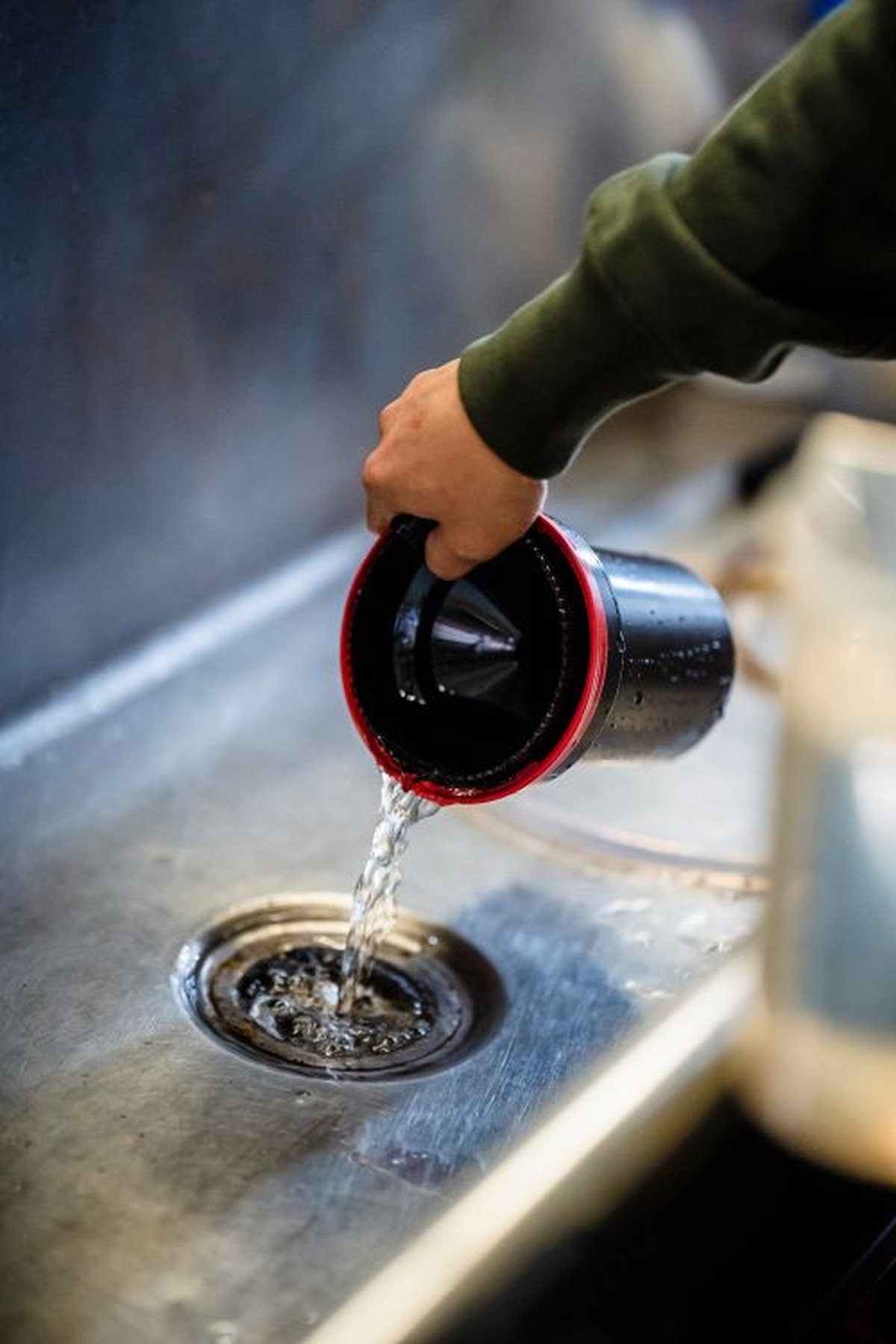
Heat a full kettle of water and pour it slowly in two or three stages, waiting a few seconds between pours. The heat melts congealed grease so it washes away.
Safety note: use boiling water only with metal pipes. If you have PVC or plastic pipes, boiling water can soften joints — use hot tap water instead.
2. Baking Soda + Vinegar
Pour about half a cup of baking soda down the drain, follow it with half a cup of white vinegar, and cover the opening with a plug or damp cloth. Wait 15–30 minutes, then flush with hot water.
Be realistic: this method is great for minor clogs and maintenance, but it will not dissolve a solid hairball or a dense grease plug. Think of it as your second step, not a miracle cure.
3. Use a Plunger the Right Way
A plunger is still the single most effective tool for most sink clogs — if you use the right type and technique. Use a cup plunger (flat-bottomed), not a flange plunger, which is designed for toilets.
- Make sure there is enough water in the sink to cover the plunger cup — water builds pressure, air does not.
- Press the cup down firmly to create a tight seal around the drain.
- Plunge vigorously for 20–30 seconds, then pull the plunger away sharply and check whether the water drains.
If you have a double sink, seal the second drain with a wet cloth so the pressure goes where it is needed.
4. Clear the Drain Stopper and Pull Out Hair
In bathroom sinks and tubs, the culprit is usually hair wrapped around the stopper. Remove it (most lift out or unscrew) and pull out whatever you find with an old toothbrush or tweezers. For hair stuck deeper, a cheap barbed plastic hair-removal tool grabs it in seconds.
This one step fixes a surprising number of bathroom clogs. Built-up slime on the stopper is also what attracts drain flies, which breed in the gunk coating your pipes — so clean the stopper itself while you are in there.
5. Try a Drain Snake or Wire Hanger
Feed the cable slowly into the drain, rotating the handle as you go. When you feel resistance, you have reached the clog — keep turning to break it up or hook it, then pull the snake back out and run hot water.
DIY alternative: straighten a wire coat hanger, leaving a small hook at one end, and carefully fish out hair and debris. Use gentle pressure — aggressive jamming can scratch the pipe or push the clog deeper.
6. The Wet-Vacuum Method
A wet/dry shop vacuum can literally suck the clog out. Set it to vacuum liquids, create as tight a seal as you can around the drain with the nozzle, and run it. Works best on clogs near the drain opening, and on tubs where the wider opening makes a seal easier.
Wet-vac safety: never use a regular household vacuum for water, and remove the dry filter bag first if your model requires it.
7. Clean the P-Trap
The P-trap — the curved pipe under your sink — is where clogs love to settle, and it is designed to come apart by hand.
- Wearing rubber gloves, place a bucket under the trap (trap water can be dirty) and unscrew the slip nuts on both ends by hand.
- Scrub the inside of the trap with an old bottle brush, check both pipe ends for debris, reassemble hand-tight, run water, and check for leaks.
How to Unclog a Drain Without a Plumber — And When to Call One Instead
Call a professional if you notice any of these:
- Multiple drains blocked at once — usually means the clog is in the main line.
- Sewage smell or wastewater backing up into tubs, showers, or floor drains.
- The same drain keeps clogging shortly after clearing — can signal pipe damage or tree roots.
- Visible leaks under sinks or water staining on ceilings below bathrooms.
How to Prevent Clogged Drains
A few simple habits keep drains flowing:
- Use mesh drain strainers in every sink and shower to catch hair and food scraps.
- Never pour grease or cooking oil down the kitchen sink — it solidifies as it cools. Wipe pans with a paper towel and bin the grease instead.
- Run hot water for 30 seconds after each use of the kitchen sink to keep grease moving.
- Once a week, flush bathroom drains with hot water to wash away soap and shampoo residue.
Frequently Asked Questions
Does baking soda and vinegar really unclog drains?
The fizzing loosens soap scum and light buildup so hot water can flush it away, but it will not dissolve solid hair clogs or dense grease plugs — use a plunger or snake for those.
Can I use chemical drain cleaner?
Only as a last resort. Their heat and corrosive reactions can damage pipes — especially PVC and older metal — and they are dangerous to skin, eyes, and lungs. The mechanical methods above are cheaper, safer, and usually work better.
Why does my drain keep clogging?
Recurring clogs mean the buildup was never fully removed, or something keeps entering the drain — hair without a strainer, cooking grease, or “flushable” wipes (they are not). If a drain reclogs within days of a thorough cleaning, the blockage may be in the main line — call a plumber.
How long should I leave baking soda and vinegar in the drain?
15 to 30 minutes is plenty. Leaving it overnight does not help — for a standing-water clog, move on to the plunger or snake instead.
Why is there a bad smell coming from my drain?
Drain odors come from rotting organic matter — food, hair, soap scum — trapped in the pipe walls or the P-trap. Cleaning the stopper and flushing with baking soda, vinegar, and hot water usually clears it. If the smell persists after the drain flows freely, the trap may be dry (run water to refill it) or there is a venting issue — a plumber’s job. A smelly drain can also attract fruit flies and drain flies.
Keeping your drains clean keeps the whole home fresher — much like fixing why your clothes smell after washing.