
How to Keep Bananas Fresh Longer: 7 Tricks That Work
Quick answer: Bananas turn brown because they release ethylene gas — a natural ripening hormone — mostly through their stems. As the gas builds up around the fruit, it speeds up ripening and turns the peel yellow, then speckled, then brown. Trap that gas at the stem, keep bananas cool and away from other ripening fruit, and you can add several fresh days to every bunch.
You know the feeling: you bring home a perfect bunch of bright-yellow bananas, and two days later they’re spotted and heading for the bin. Learning how to keep bananas fresh longer is one of the easiest ways to cut food waste — and most of these tricks take under a minute.
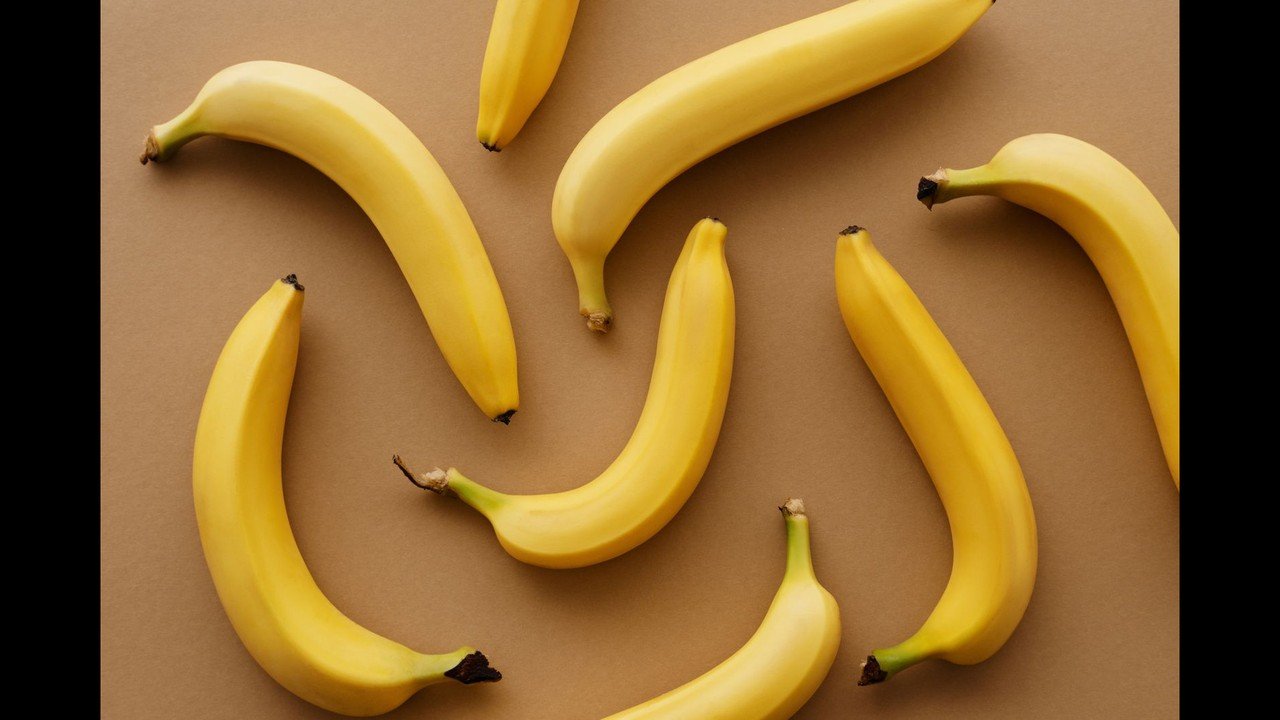
Buy Smart: Choose Bananas at the Right Stage
Storage tricks work best when you start with the right bunch. Look for bananas that are firm with bright yellow peels and maybe a hint of green at the tips — these have the longest counter life ahead of them. Skip bunches with heavy bruising or lots of brown speckles unless you plan to eat them today.
If your household eats bananas at different speeds, buy one ready-to-eat bunch and one that’s still slightly green — the green ones ripen over the next few days, giving you a rolling supply instead of a feast-or-famine cycle.
7 Proven Tricks for How to Keep Bananas Fresh Longer
Trick 1: Wrap the stems tightly in plastic wrap
This is the single most effective trick, because most of a banana’s ethylene gas escapes through the stem. Wrap a small piece of plastic wrap — or foil, or a reusable beeswax wrap — snugly around the crown where the bananas join. Rewrap the stems every time you pull a banana from the bunch.
Trick 2: Separate the bananas from the bunch
Ethylene from one ripening banana triggers its neighbors to ripen faster, so a full bunch is basically a ripening chain reaction. Gently snap the bananas apart and spread them out. Each banana then ripens on its own schedule, which can buy the whole batch an extra day or two.
Trick 3: Keep them away from other fruit
Some fruits are heavy ethylene producers — apples, avocados, pears, peaches, and tomatoes are the worst offenders. Storing bananas in the same fruit bowl as these turns the ripening dial up to maximum. Give bananas their own spot, well away from the rest of the produce.
Trick 4: Hang them up for airflow
Lying on a counter, a banana’s weight presses on its own peel, causing bruises that brown fast. Hanging bananas from any sturdy hook keeps air circulating and eliminates pressure spots — no fancy stand needed.
Trick 5: Keep them cool — 13 to 20°C — and out of the sun
Heat and direct sunlight dramatically speed up ripening. Store bananas in the coolest, well-ventilated spot in your kitchen, away from the stove and sunny windowsills. And as soon as you get home, take the bananas out of any sealed plastic bag — the bag traps ethylene and moisture and makes them brown faster.
Trick 6: Refrigerate — but only once fully ripe
The fridge is your pause button, not your ripening station. Once bananas reach the ripeness you like, move them to the fridge: the peel will darken from a harmless condition called chill injury, but the flesh stays at peak ripeness for 3 to 5 extra days. Never refrigerate green bananas — the cold can permanently stall ripening and leave the flesh grey and flavorless.
Trick 7: Freeze peeled bananas for later
When a banana is past its prime for eating, don’t toss it — freeze it. Peel it first (never freeze bananas in their peels), slice it, and store the slices in a sealed freezer bag for 2 to 3 months. Thawed texture changes, so frozen banana slices are best for smoothies, baking, or homemade nice cream.
3 Mistakes That Make Bananas Go Brown Faster
Mistake 1: Refrigerating them too early
Chilling green bananas before they’re ripe doesn’t preserve them — it ruins them. The cold damages the cells responsible for ripening, so the banana never develops full sweetness. Wait until they’re exactly as ripe as you like them, then refrigerate.
Mistake 2: Tossing them in a fruit bowl with apples and avocados
This is the most common mistake, and it undoes every other trick. Apples, avocados, pears, and peaches pump out large amounts of ethylene, and a shared bowl bathes your bananas in it. Keep bananas physically separate from these fruits at all times. And once bananas do go overripe, they quickly attract fruit flies to your kitchen — here’s how to get rid of fruit flies fast if that happens.
Mistake 3: Leaving them sealed in the plastic bag
The plastic bag from the grocery store is convenient for carrying, but terrible for storage: a sealed bag concentrates ethylene gas and traps moisture against the peels, accelerating browning and inviting mold. Take the bananas out the moment you get home and let them breathe.
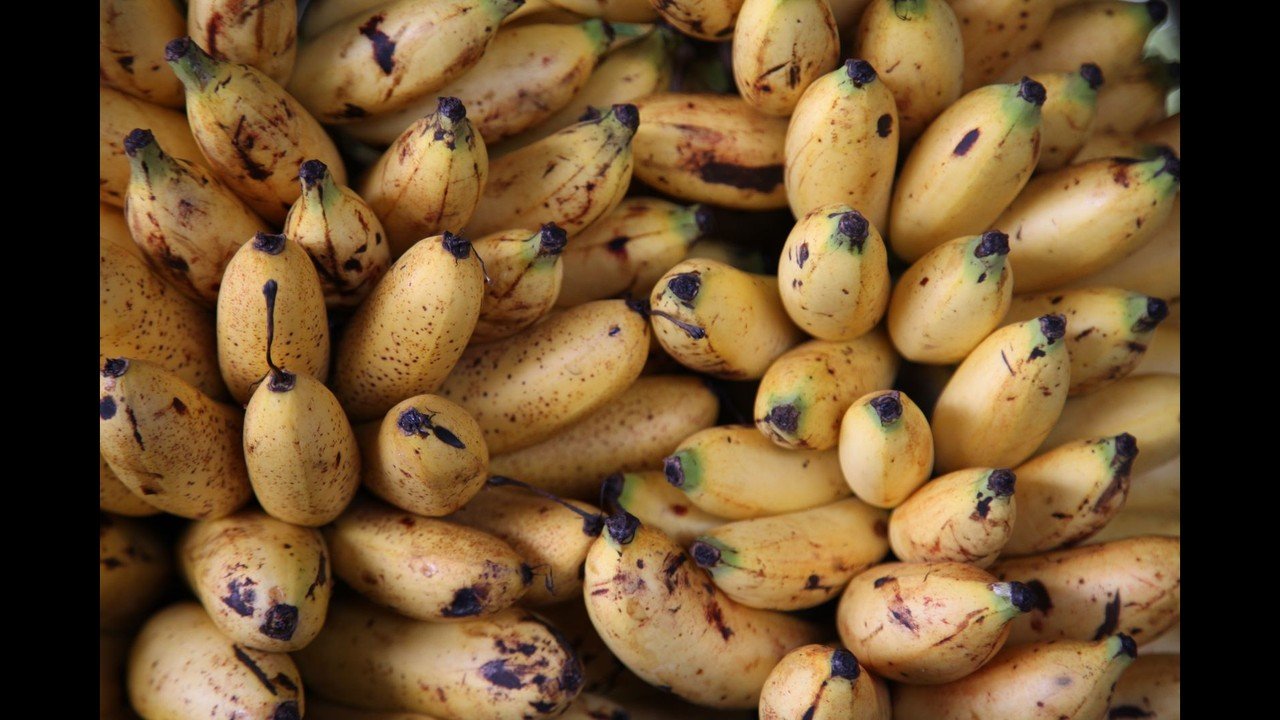
Stopping Cut Bananas From Going Brown
Sliced bananas brown through oxidation — exposed flesh reacting with air — but the fix is simple. Toss the slices with a little lemon, lime, or pineapple juice: the mild acid slows browning for hours. Store them in an airtight container in the fridge and eat within a day or two — perfect for lunchboxes and fruit salads.
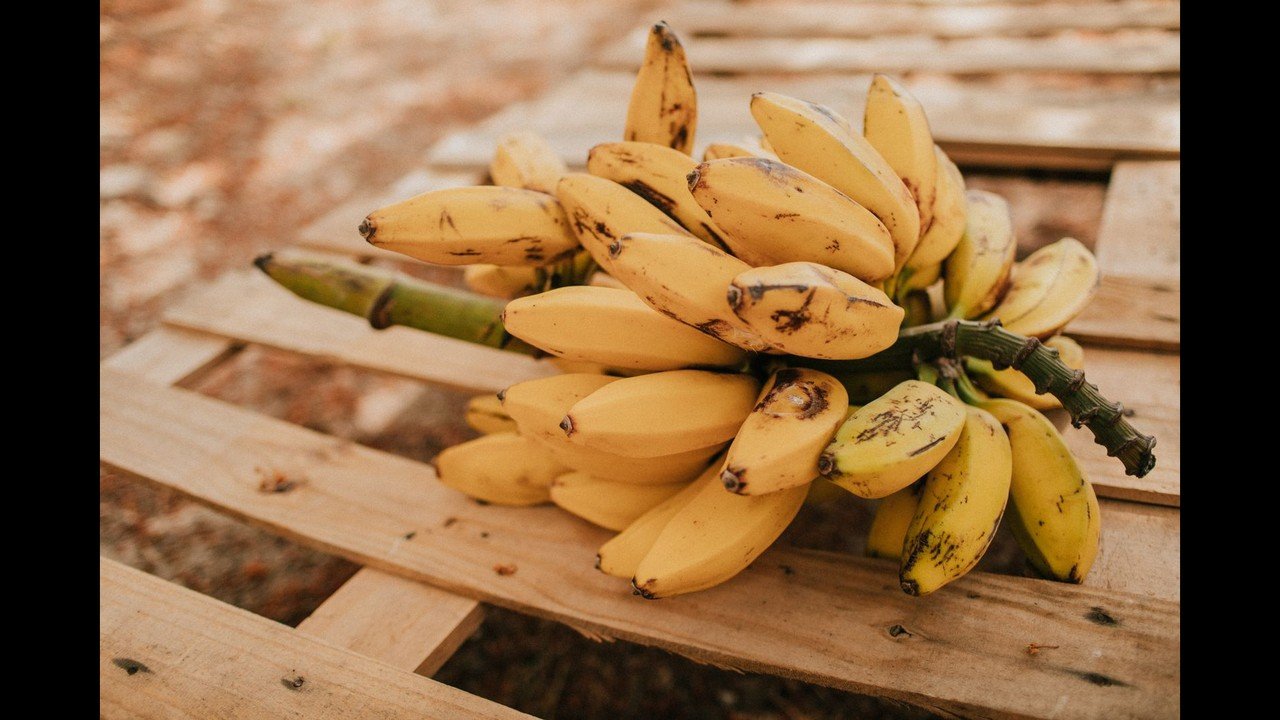
Counter vs. Fridge vs. Freezer: Where Bananas Last Longest
| Storage | Best for | How long they last | Watch out for |
|---|---|---|---|
| Counter (cool, shaded spot) | Ripening green or yellow bananas | A few days, depending on ripeness | Keep out of sun/heat, away from other fruit |
| Fridge | Fully ripe bananas you want to pause | 3 to 5 extra days | Peel darkens (harmless chill injury); never chill green bananas |
| Freezer | Overripe bananas for smoothies/baking | 2 to 3 months | Peel first and seal in bags; not for eating plain |
Frequently Asked Questions
Do bananas last longer in the fridge?
Yes — but only if they’re already fully ripe. A ripe banana moved to the fridge stays at peak ripeness for 3 to 5 extra days. The peel darkens from chill injury, which looks alarming but doesn’t affect the flesh. Chilling unripe bananas can stop them from ripening properly.
Should you separate bananas to keep them fresh?
Yes. Each banana releases ethylene gas that speeds up the ripening of its neighbors, so a joined bunch ripens as a group. Snapping them apart breaks that chain reaction, and each banana then ripens on its own, slower schedule.
Does wrapping banana stems in plastic really work?
Yes — it’s the most effective trick on this list. Most ethylene escapes through the stem where the bananas join, so wrapping that crown tightly with plastic wrap, foil, or beeswax wrap traps the gas at the source. Rewrap the stems each time you remove a banana.
How long do bananas last on the counter?
It depends on how ripe they were when you bought them. Slightly green bananas kept cool and shaded typically stay good for several days as they ripen; fully yellow bananas are usually at their best for a couple of days before spotting. Heat, sunlight, and nearby fruit all shorten that window.
Can you freeze bananas?
Absolutely. Peel them first — never freeze bananas in their peels — slice them, and store the slices in a sealed freezer bag for 2 to 3 months. Thawed bananas are softer, so they’re ideal for smoothies, banana bread, and baking rather than eating fresh.
Put together, these tricks turn banana storage into a simple routine: buy at mixed ripeness, wrap the stems, separate the bunch, keep them cool and away from other fruit, and freeze what you can’t eat in time. A fresh banana is also one of the easiest healthy breakfasts to fold into a morning reset routine — another good reason to keep a few at peak ripeness. And every banana you save is grocery money in your pocket, the kind of small win that matters when you’re finding how to save money on a low income.