
Why are diesel prices so high right now? If the number on the pump made you flinch this month, you are not alone. Diesel in the United States just climbed to record highs — and because diesel fuels the trucks, trains, and ships that move almost everything we buy, the pain reaches far beyond the fuel island.
On October 9, 2026, President Donald Trump announced a surprise deal: Russia would start shipping diesel to the United States almost immediately. The news made global headlines — and raised the obvious question: can Russian diesel actually bring prices down before the November 3 midterm elections?
Here’s the plain-English breakdown: how bad the spike really is, what the deal actually involves, whether the volumes are big enough to matter, and why analysts and critics alike are unconvinced it will work.
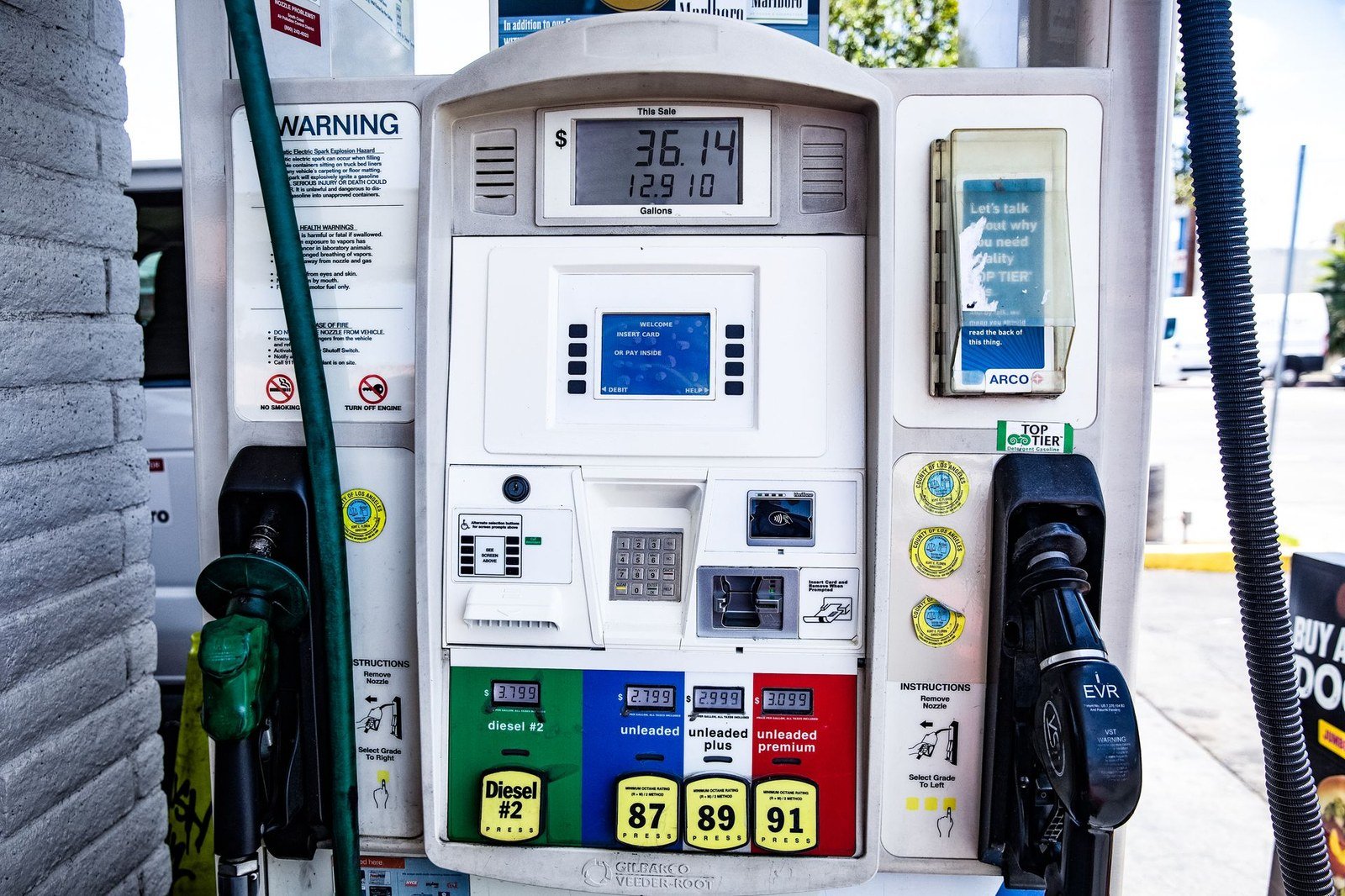
US Diesel Prices Just Hit a Record High
According to AAA, the national average diesel price hit an all-time record of $6.53 per gallon on September 22, 2026. It has eased slightly since — about $6.27 on October 12 — but remains roughly 70 percent above the pre-war level of about $3.69 per gallon (February 2026). The Energy Information Administration’s weekly on-highway average was $6.199 for the week of October 5, and California diesel has topped $8 a gallon.
Diesel is the fuel of the entire economy — not just big rigs. It powers farm equipment, construction machinery, and freight trains, and it moves the trucks that stock grocery shelves. When diesel spikes, the cost shows up in nearly everything: food, clothing, building materials. For households on fixed incomes, the squeeze is real — the same inflation pushing up fuel costs is what the Social Security cost-of-living increase for 2027 is designed to offset.
What Is the Trump-Putin Diesel Deal?
On October 9, 2026, President Trump announced on Truth Social, following a call with Russian President Vladimir Putin, that Russia would supply 300,000 tonnes of diesel “immediately”, another 500,000 tonnes in November, one million tonnes “immediately thereafter”, and possibly three million tonnes “within a short period of time”, depending on the condition of Russian refineries.
To make it legal, the US Treasury’s Office of Foreign Assets Control licensed the sale, delivery, and importation of Russian-origin diesel into the United States until April 2027 — temporarily lifting sanctions imposed in October 2025 on Russian oil companies. The Kremlin confirmed readiness to supply, and envoy Kirill Dmitriev publicly praised the cooperation: a sharp reversal of years of US policy aimed at cutting Russian energy out of global markets after the 2022 invasion of Ukraine.

Why Are Diesel Prices So High Right Now? The 4 Forces Behind the Surge
- The Iran war and the Strait of Hormuz. The ongoing war with Iran has disrupted shipping through the Strait of Hormuz, the narrow waterway carrying a huge share of the world’s oil. Threats to that route inject fear into energy markets — and fear shows up at the pump fast.
- Ukrainian drone strikes on Russian refineries. Ukraine has repeatedly struck Russian refineries with long-range drones this year, knocking out capacity. Russia responded by banning diesel exports from July through October 31, 2026 — removing a major supplier exactly when supply was already tight.
- Persistently thin US distillate inventories. America’s stockpiles of diesel and heating oil have stayed unusually low. With thin inventories, any disruption causes outsized price jumps because there is no cushion to absorb the shock.
- Refining capacity lost during the pandemic. Several US refineries shut down during the pandemic-era demand collapse and never reopened. Less capacity to turn crude into diesel means tighter supply and higher prices even in calm times.
If your budget is already strained, every dollar at the pump counts — here are practical ways to save money when fuel and household costs keep rising.
Will Russian Diesel Actually Lower Prices?
This is where the math gets awkward: 300,000 tonnes equals roughly 2.25 million barrels, but per the Energy Information Administration, the US transport sector alone burns about 2.94 million barrels per day — so Russia’s headline first shipment covers less than a single day of American demand.
Markets reacted to the headline anyway: diesel futures fell about 4 percent after the October 9 announcement, and US pump prices slipped roughly half a percent on Monday, October 12. But analysts caution the volumes may not be enough to keep prices down — especially since future deliveries depend on the condition of Russian refineries, many damaged by Ukrainian strikes.
Politics adds urgency: high fuel prices are a political risk for Republicans ahead of the November 3 midterms, and the deal is widely seen as an attempt to cut prices before voters head to the polls.
The Backlash: Why Critics Hate the Deal
Criticism was swift. Ukrainian President Volodymyr Zelensky called it a “weak decision” by partners, warning that “gifts to Putin will not bring peace.” In the US, Democrats — including Senate leader Chuck Schumer — expressed dismay at buying fuel from Moscow.
Critics also question whether the deal even solves the problem: if the volumes are too small to move the market, the US absorbs the political cost of reversing its Russia energy policy without much price relief. Supporters, including Dmitriev, call it pragmatic cooperation that benefits American drivers.
What to Watch Before the Midterms
- Whether the first 300,000-tonne shipment arrives on schedule — and whether the November and later volumes follow.
- Weekly inventory reports: if US distillate stockpiles start rebuilding, prices should ease even without Russian fuel.
- The condition of Russian refineries, which the deal says will determine how much more diesel ships.
- Whether diesel futures hold their post-announcement decline or bounce back.
Frequently Asked Questions
Why is diesel so expensive right now?
Four pressures are hitting at once: the Iran war disrupting shipping through the Strait of Hormuz, Ukrainian drone strikes knocking out Russian refineries (Russia banned diesel exports from July through October 31, 2026), unusually thin US distillate inventories, and refining capacity lost to pandemic-era closures. Together they pushed the AAA national average to a record $6.53 per gallon in September 2026.
Will diesel prices go down?
Possibly in the short term, but analysts are skeptical it will last. Diesel futures fell about 4 percent after the October 9 announcement, and pump prices slipped roughly half a percent on October 12 — but experts say the Russian volumes are small relative to US demand, and future deliveries depend on damaged Russian refineries. Rebuilding US inventories matters more for lasting relief.
How much diesel is Russia actually sending?
300,000 tonnes “immediately” (about 2.25 million barrels — less than one day of US transport-sector demand), 500,000 tonnes in November, one million tonnes “immediately thereafter”, and possibly three million more depending on refinery conditions. A US Treasury licence permits Russian diesel imports until April 2027.
Why is diesel more expensive than gasoline?
Diesel and gasoline come from the same crude oil but serve very different markets. Diesel demand is driven by freight, farming, construction, and industry — demand that cannot easily drop when prices rise, unlike casual driving. Analysts generally point to that inflexible demand — and different refining economics — as reasons diesel swings harder and sits higher than gasoline during supply disruptions.