
How to Stop Hair Fall: 10 Proven Tips That Actually Work
Learning how to stop hair fall starts with understanding one simple fact: losing 50 to 100 hairs a day is normal, but when your brush, pillow, and shower drain tell a different story, it is time to act. Hair fall can shake your confidence, yet most everyday causes — stress, poor diet, harsh styling — are fixable with small, consistent changes. This guide breaks down why hair falls out and gives you 10 proven tips to slow it down and protect the hair you have.
Why Does Hair Fall Happen in the First Place?
Before you can learn how to stop hair fall, you need to know what is causing it. Hair grows in cycles: a growth phase, a rest phase, and a shedding phase. When too many hairs shift into the shedding phase at once, you notice thinning and excess loss. The most common triggers include:
- Stress: Physical or emotional stress can push large numbers of hairs into the shedding phase at once. If stress is your trigger, learning how to stop your mind from overthinking can help more than any shampoo.
- Nutritional gaps: Hair is mostly protein. Low iron, vitamin D, zinc, or protein intake weakens the roots.
- Harsh hair habits: Tight hairstyles, heat styling, bleaching, and aggressive towel-drying break strands.
- Hormonal shifts: Pregnancy, postpartum changes, thyroid issues, and menopause commonly trigger shedding.
- Poor sleep: Chronic sleep deprivation disrupts the body’s repair cycles. If you feel tired all the time despite sleeping, fixing your sleep may also help your hair.
Temporary shedding (telogen effluvium) often starts 2–3 months after a trigger like illness or major stress, and usually improves once the trigger passes. Genetic pattern hair loss is gradual and needs a dermatologist’s guidance.
How to Stop Hair Fall at Home: 10 Tips That Work
1. Be Gentle When Washing and Drying
Rough handling is one of the fastest ways to lose extra hair. Wash with lukewarm water, not hot. Massage shampoo into your scalp with your fingertips — never your nails. When drying, pat with a soft towel instead of rubbing, and detangle with a wide-tooth comb, starting from the ends and working upward.
2. Oil Your Scalp Regularly
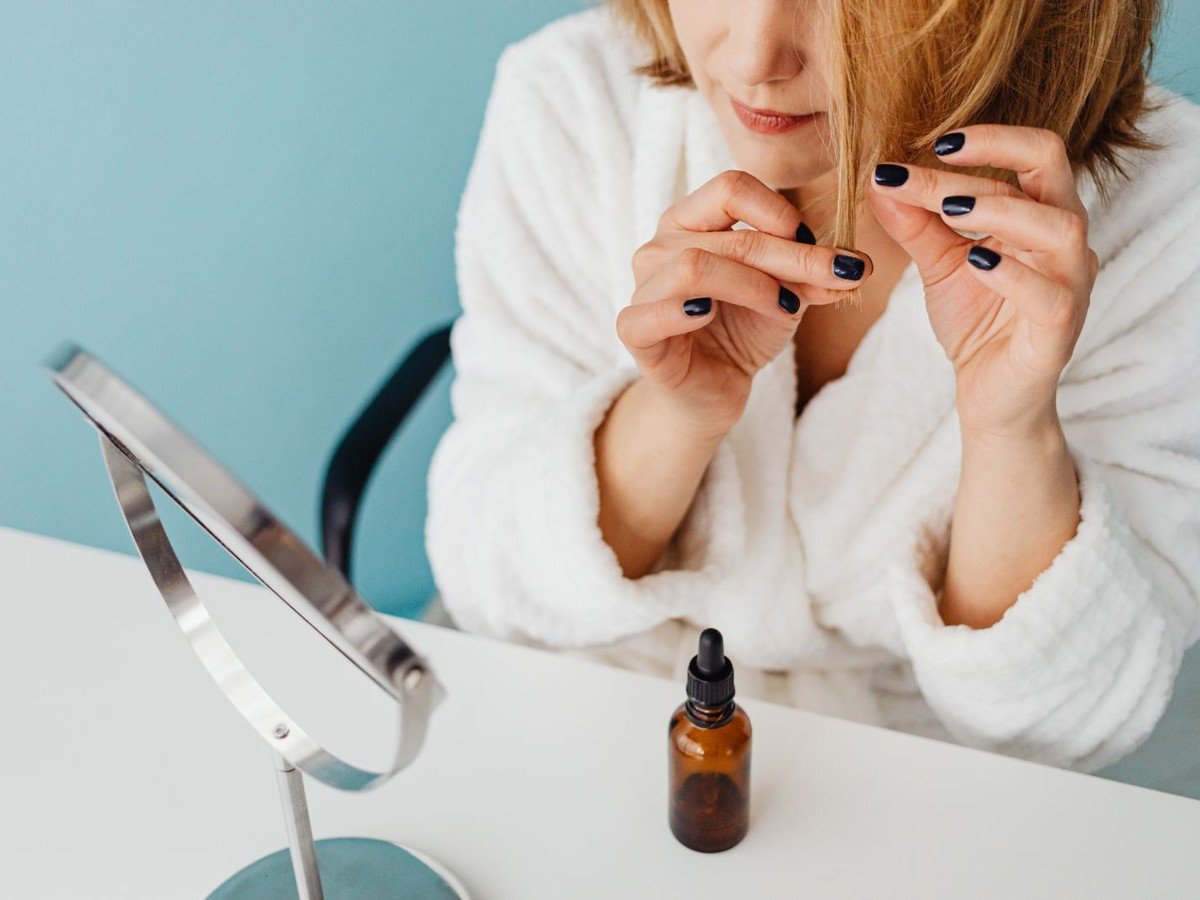
Regular oiling is one of the oldest and most practical answers to how to stop hair fall naturally. Coconut oil, in particular, can penetrate the hair shaft and reduce protein loss from washing. Warm a small amount of oil, massage it into your scalp for 5–10 minutes with your fingertips, leave it for 30 minutes to a few hours, then wash out. Once or twice a week is enough.
3. Fix the Protein Gap in Your Diet
Because hair is made of keratin (a protein), a low-protein diet is a common hidden cause of shedding. Aim to include a protein source at every meal: eggs, lentils, beans, chicken, fish, Greek yogurt, or paneer. Pair protein with iron-rich foods like spinach and lentils, since iron deficiency is one of the most frequent nutritional causes of hair fall.
4. Get Your Vitamin D, Iron, and Zinc Checked
Deficiencies in vitamin D, iron (ferritin), zinc, and B12 are strongly linked to increased shedding. If your hair fall has lasted more than a few weeks, ask your doctor for a simple blood test before buying supplements. Correcting a real deficiency often improves shedding within a few months — guessing with random supplements rarely helps.
5. Cut Back on Heat Styling
Flat irons, curling wands, and blow dryers on high heat weaken the hair shaft and cause breakage that looks exactly like hair fall. Reduce heat use, always apply a heat protectant when you do style, and let your hair air-dry whenever possible. Chemical treatments like bleaching and frequent coloring should be spaced out as much as you can tolerate.
6. Stop Tight Hairstyles
Ponytails, tight buns, and braids pulled hard at the roots cause traction alopecia — hair loss from constant pulling. Vary your hairstyles, keep them loose, and avoid sleeping in tight styles. If you notice thinning along your hairline, your hairstyle is a likely culprit.
7. Manage Stress Before It Shows on Your Scalp
Stress-related shedding is real and common. Daily stress management — a short walk, deep breathing, journaling, or simply protecting your sleep — helps regulate the hormones that push hair into the shedding phase. Since major shedding follows stressful periods by about two to three months, steady stress control pays off over time, not overnight.
8. Sleep 7–8 Hours and Protect Your Night Routine
Hair follicles do much of their repair work while you sleep. Poor sleep quality raises stress hormones and disrupts growth cycles. Keep a consistent bedtime, limit screens before bed, and sleep on a satin or silk pillowcase to reduce friction and breakage overnight.
9. Stay Hydrated and Eat for Your Scalp
Dehydration makes hair dry and brittle. Drinking enough water daily supports overall scalp health. Beyond protein and iron, add omega-3 fatty acids (walnuts, flaxseeds, fatty fish), vitamin C (citrus, guava, tomatoes), and biotin-rich foods like eggs, almonds, and sweet potatoes. A balanced diet beats any single “miracle” food.
10. Know When to See a Dermatologist
Home care handles most everyday hair fall — but not all of it. See a dermatologist if you notice sudden patchy bald spots, a rapidly widening part, shedding that continues beyond three months despite better habits, or scalp pain, itching, or flaking. Treatments like topical minoxidil exist, but they should be started under medical guidance, not guessed from the internet.
How Long Does It Take to See Results?
Hair grows about half an inch per month, so set realistic expectations: reduced shedding becomes noticeable within 6–12 weeks of consistent changes, and visible thickness takes 3–6 months. Anyone promising overnight regrowth is selling you something.
Frequently Asked Questions
Which oil is best for hair fall?
Coconut oil is the most researched option for reducing protein loss from the hair shaft. Many people also use almond, argan, or mustard oil. The massage matters as much as the oil — gentle 5–10 minute scalp massages boost blood circulation to the follicles.
Can hair fall be stopped naturally?
Yes, in many cases. If your shedding is caused by stress, nutritional gaps, harsh styling, or poor sleep, natural fixes like diet changes, gentle hair care, oiling, and stress management can significantly reduce it. Genetic pattern hair loss and medical conditions need professional treatment.
Does stress really cause hair fall?
Yes. Stress pushes large numbers of hairs into the shedding phase, and the shedding usually appears 2–3 months after the stressful event. It improves once stress is managed.
How much hair fall is normal per day?
Losing 50–100 hairs daily is considered normal. You should pay attention when you see noticeably more hair in your brush, on your pillow, or in the shower drain than usual — or when your ponytail feels thinner or your part looks wider.
Disclaimer: This article is for general information only and is not medical advice. If your hair fall is sudden, severe, or persistent, please consult a qualified dermatologist or doctor.