
Elon Musk is a trillionaire again. The world’s richest person saw his fortune jump by $65 billion on Monday (Oct 5) to $1.04 trillion, according to the Bloomberg Billionaires Index, as shares of SpaceX and Tesla climbed. It marks the first time in three months that the 55-year-old tech mogul’s net worth has required 13 numerals.
SpaceX shares are up 13 percent since the start of October, while Tesla has gained 6.7 percent. The combined rally restored a title Musk first claimed in June — and lost just as quickly in one of the most dramatic wealth swings in history.
A $65 Billion Monday
The latest jump came on a strong day for US equities. The Nasdaq composite gained 1.1 percent to a record close of 27,477.31, while the Dow edged up 0.2 percent and the S&P 500 rose 0.7 percent.
For Musk, though, the gains were concentrated in his two biggest holdings. His stakes in SpaceX and Tesla make up more than 98 percent of his net worth, according to Bloomberg’s wealth index — which means a good day for either company is a historic day for his fortune.
Forbes’ real-time data told the same story: Musk’s net worth stood at $1 trillion, up $30.6 billion from Friday’s close, widening his lead over everyone else on the planet.
How Musk First Became a Trillionaire
Musk became the world’s first trillionaire in June 2026, when SpaceX surged in the wake of its record-breaking initial public offering — a debut that valued the company at roughly $1.77 trillion, making it one of the largest listings in history. His fortune peaked at $1.32 trillion on June 16.
The crown didn’t last. SpaceX shares slumped in the weeks that followed on concerns about the company’s sky-high valuation, and Musk’s paper wealth collapsed with a violence rarely seen. By late July, his more-than-$600 billion decline from the peak exceeded the net worth of anyone who had ever appeared on Bloomberg’s list of the 500 richest people — other than Musk himself. It was a stark reminder that markets have been volatile across every sector this year.
Since then, the rebound has been swift. SpaceX shares have climbed 58 percent from their August low, retaking ground as investors reassess the company’s prospects.
What Drove the Comeback
Three forces combined to push Musk back over the trillion-dollar line:
1. Wall Street’s renewed enthusiasm for SpaceX. On Monday, analysts at Morgan Stanley called SpaceX one of the cheapest ways to play “the strong optionality” of the space and intelligence sector. The call added fuel to a rally in shares of the space, artificial intelligence, and social media company. SpaceX’s stock closed up 7.6 percent on Monday — its strongest close since June — trading above $167.
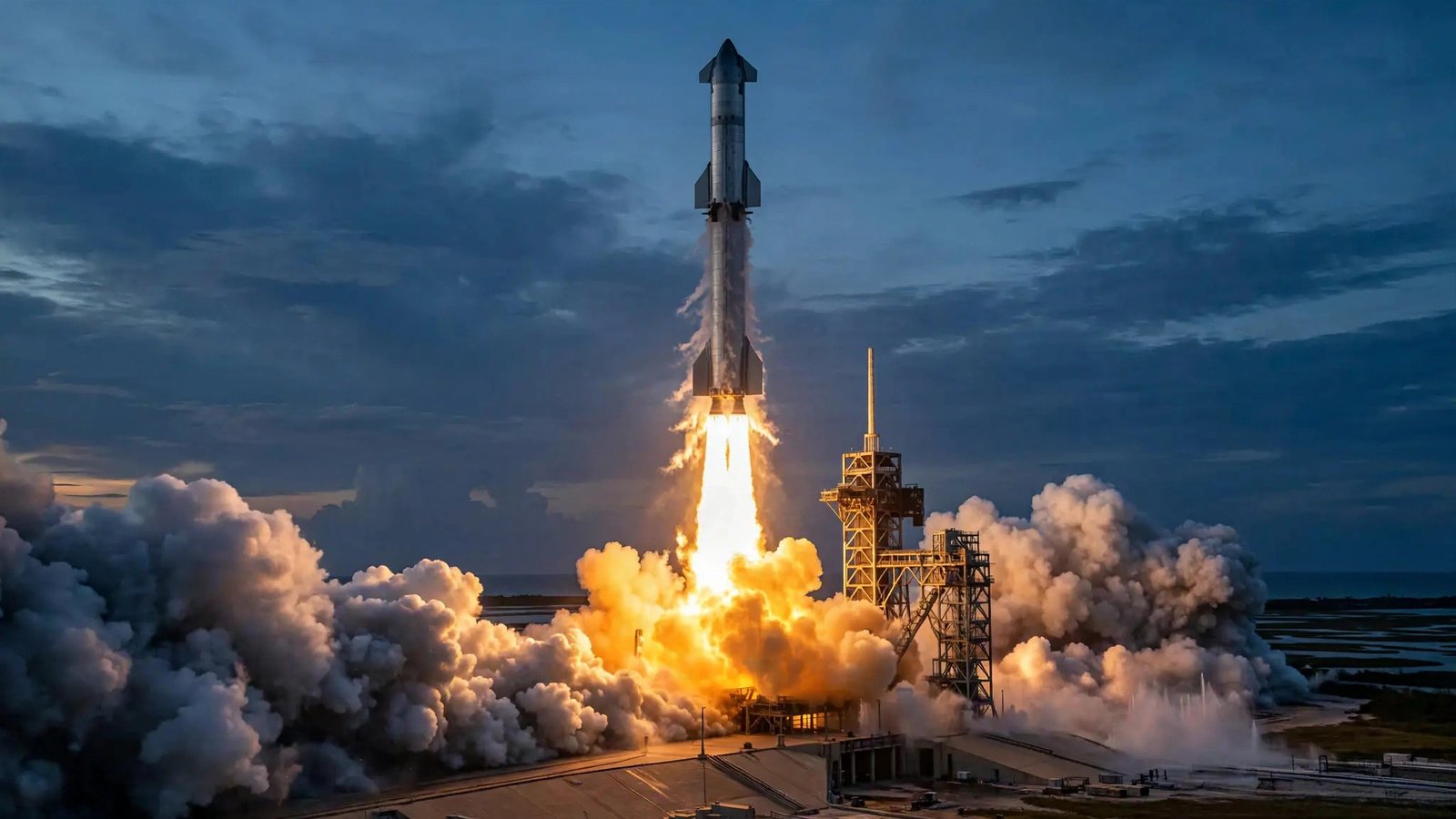
2. A successful Starship test. SpaceX’s Starship rocket reached orbit for the first time last week, a milestone that validated years of development and the company’s claims about fully reusable heavy launch. The successful orbital test helped reset sentiment after the summer’s valuation selloff.
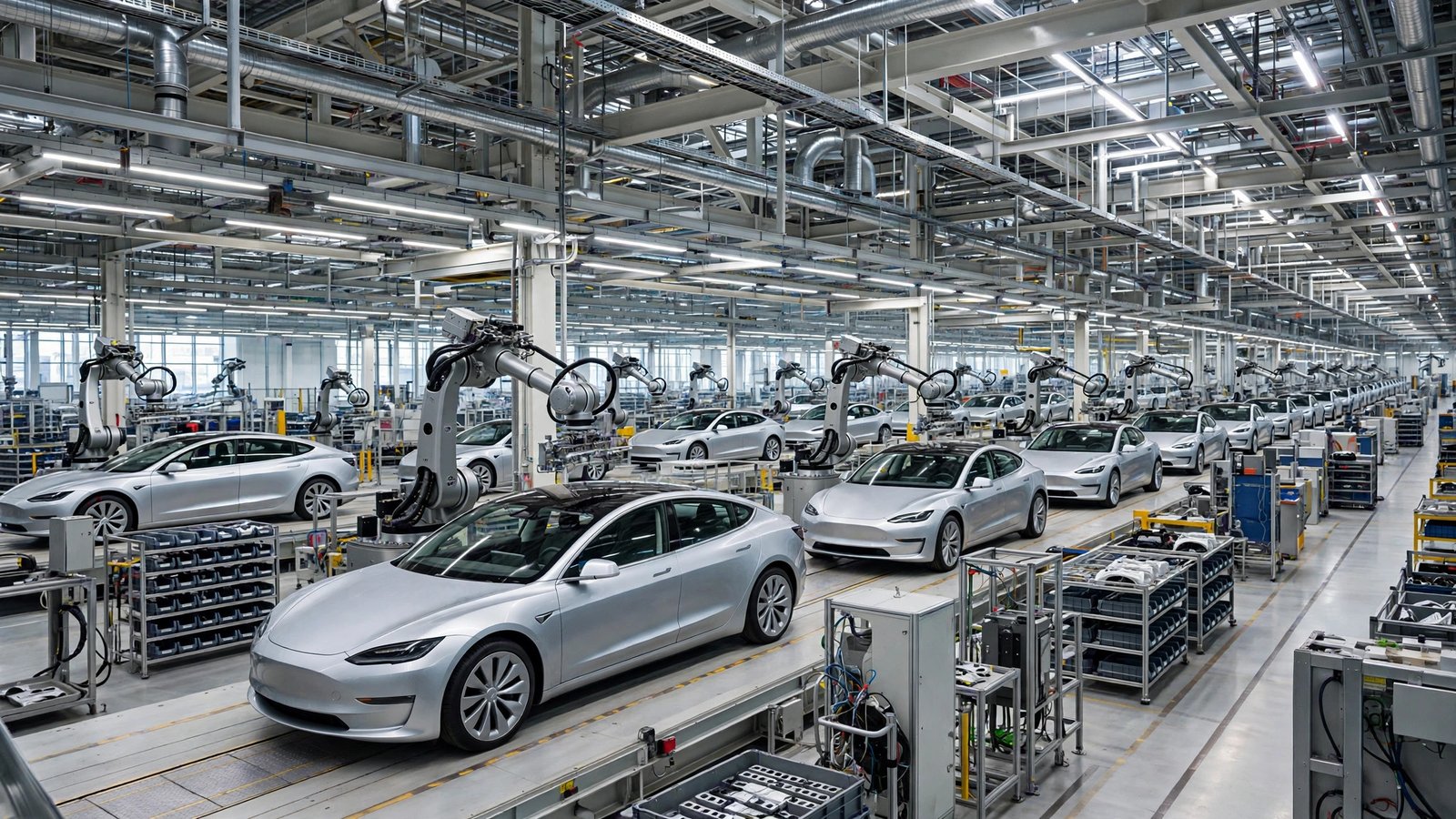
3. Tesla’s better-than-expected deliveries. Tesla reported stronger-than-expected third-quarter sales last week, a sign that demand for its electric vehicles is holding up. On Monday alone, Tesla’s stock continued to rise by more than one percent. Forbes estimated that Tesla’s quarterly delivery figures contributed to a $61 billion wealth gain for Musk on Friday alone.
What $1.04 Trillion Actually Means
To grasp the scale: Musk’s fortune now exceeds the combined wealth of the next three billionaires on Forbes’ list. Amazon founder Jeff Bezos ranks second at $371.5 billion, followed by Google co-founder Larry Page at $284.3 billion and Dell Technologies chairman Michael Dell at $272.2 billion.
Put differently, Musk is now worth nearly three times as much as the second-richest person on Earth.
Musk’s Busy Week Didn’t Stop at Markets
The wealth milestone capped a characteristically eventful week for Musk. SpaceX, which acquired his artificial intelligence company xAI and the X social platform back in February, has been consolidating its AI ambitions under one roof.
On Oct 4, Musk said the company’s AI arm — currently called SpaceXAI — could be renamed “SpaceXSI,” following US President Donald Trump’s suggestion that “artificial intelligence” should instead be referred to as “super intelligence.”
That follows a string of AI-industry shakeups this year — including OpenAI’s abrupt cancellation of its GPT-6.1 Astra model over safety fears and X’s restrictions on its Grok image tool after a global backlash — a reminder that the AI race Musk is racing in is as volatile as the markets valuing it.
What Could Move the Fortune Next
Trillionaire status, for Musk, has proven to be less a plateau than a roller coaster. His fortune depends almost entirely on two stocks, both trading on high expectations: SpaceX on the promise that Starship, satellite internet, and AI data infrastructure justify a trillion-dollar-plus valuation, and Tesla on continued EV demand.
If SpaceX’s Starship program keeps hitting milestones and Morgan Stanley’s “strong optionality” thesis plays out, $1.04 trillion could look like a floor rather than a ceiling. But the summer slump is a reminder of how quickly the math can reverse — the same leverage that added $65 billion in a day can take it away just as fast.
For now, though, the number stands: thirteen digits, one person, and a wealth gap between first and second place wider than it has ever been.