
Checking oil prices today, the picture is tense: Brent crude is holding above $100 a barrel as a string of tanker attacks in and around the Strait of Hormuz rattles the world’s most important oil corridor. On Monday, October 5, 2026, the market is being squeezed from three directions — physical attacks on ships, an OPEC+ decision to freeze output, and freight costs that have gone through the roof. Here is what is happening and what it means for fuel costs.
Tanker Attacks in the Strait of Hormuz: What Happened
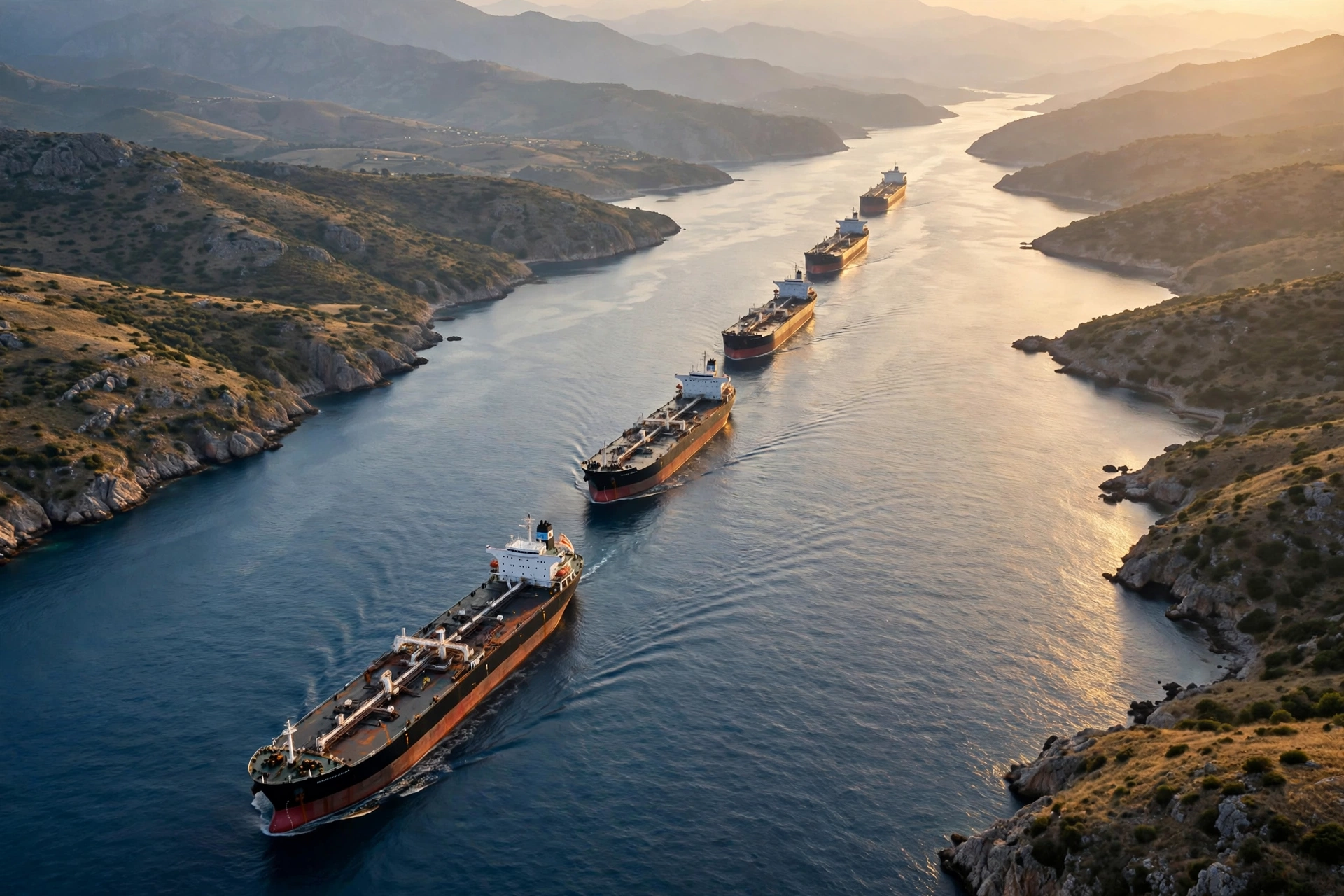
According to a Times Now report published October 4, at least three tankers have been struck by unidentified projectiles in and around the Strait of Hormuz since October 1, triggering fresh warnings from the United Kingdom Maritime Trade Operations (UKMTO), the British authority monitoring threats to commercial shipping.
On Saturday, a crude oil tanker was hit on its port side about 4 nautical miles east of Oman, Times Now reported. On Friday, one outbound ship suffered a small fire and lost power, while a second crude tanker was struck close by. On Thursday, Iran’s Fars news agency said a supertanker carrying 2.5 million barrels caught fire off Oman — adding, in the outlet’s own claim, that the vessel had used an unauthorized route.
The strait matters enormously: roughly a fifth of the world’s crude oil passes through this narrow waterway between Iran and Oman, according to U.S. Energy Information Administration estimates, so even the threat of disruption sends shockwaves through energy markets.
Iran’s Version of Events
Iranian state media tells a different story. According to Times Now’s summary of Iranian outlets, Iranian state media — citing the Persian Gulf Strait Authority — claims seven tankers were targeted over five days and named three ships (AL RUWAIS, SINBAD, and MERSIN PROSPERITY) as repeat violators of navigation rules, allegedly owned or chartered by the United Arab Emirates. State broadcaster IRIB reported that a tanker exploded in the strait after switching off its tracking system.
Iranian outlets also quoted Brigadier General Hossein Mohebbi, a spokesman for Iran’s Islamic Revolutionary Guard Corps, who warned last Tuesday that any vessel crossing without Iran’s permission could be attacked or hit a mine. The gap between the two narratives is itself a source of market anxiety: uncertainty is almost as expensive as the attacks themselves.
Where Oil Prices Stand Right Now
Per a Gulf News market snapshot at 8:37 a.m. Tokyo time on Monday, Brent crude traded at $102.60, up 0.38%, while Murban crude sat at $110.80, up 1.30%. U.S. benchmark WTI was at $91.09, essentially flat, and natural gas eased 0.79% to $3.011. Gulf News also reported that the Brent-WTI spread has widened above $11 a barrel, while VLCC (very large crude carrier) freight rates have surged to extraordinary levels, with tanker shortages, higher insurance costs, and longer voyages adding pressure on refiners.
The picture shifted later in the day. The Economic Times reported on October 5 that Brent futures slipped 70 cents to $101.60 and WTI fell to $90.15, as higher Middle East exports and the planned G7 emergency stock release added supply. Notably, Reuters shipping data cited in that report showed exports climbed above pre-war levels on four of the seven days in the final week of September — the attacks have threatened shipping more than stopped it so far.
Why Prices Refuse to Fall: OPEC+ Holds Output Steady
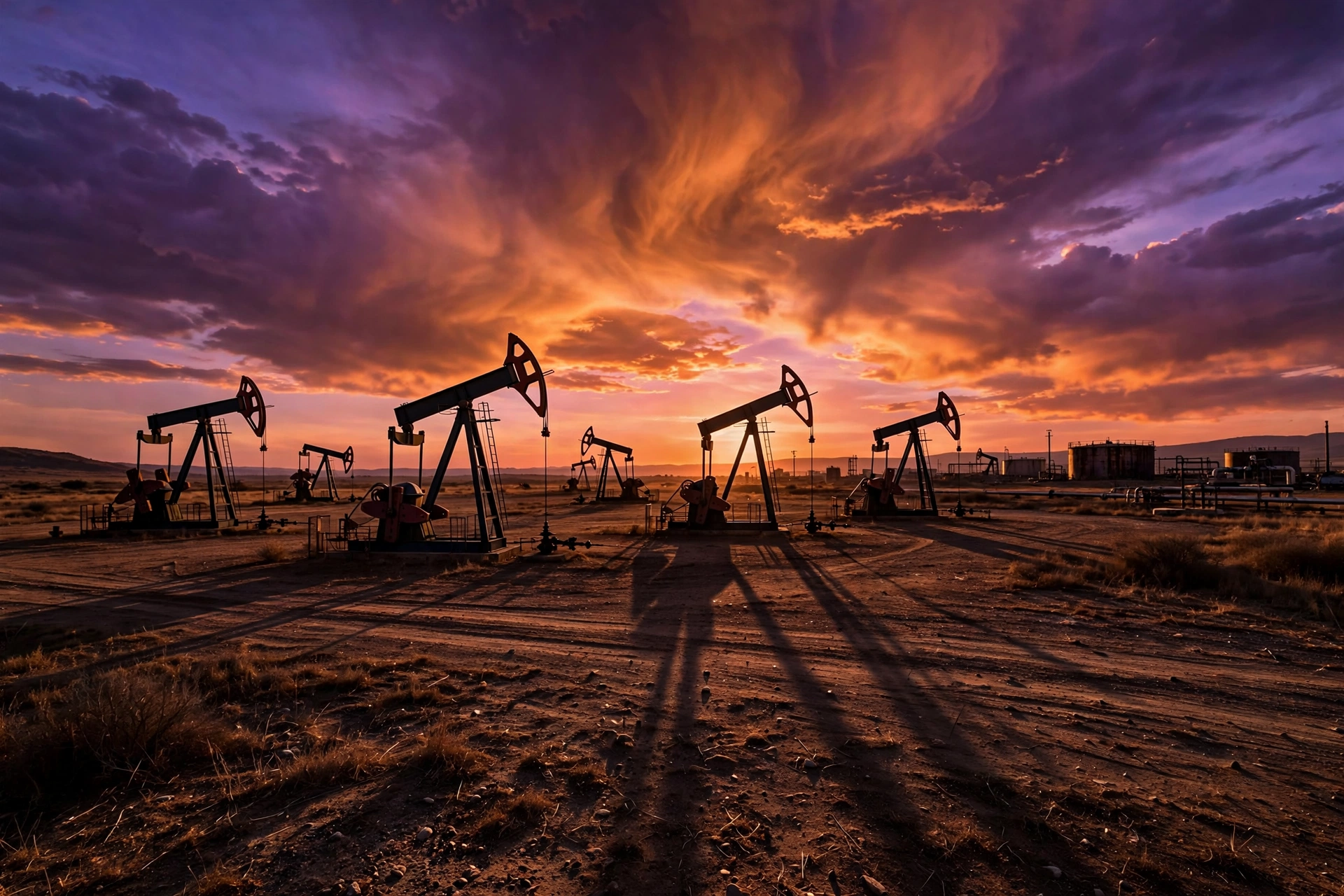
Even with emergency barrels incoming, crude has refused to fall — and a big reason is OPEC+. On October 4, seven core OPEC+ members — Saudi Arabia, Russia, Iraq, Kuwait, Algeria, Kazakhstan, and Oman — agreed to keep November production targets unchanged, extending the pause on output increases, per an SKN Finance report drawing on Reuters. Roughly 2 million barrels a day of cuts will stay in place through year-end; the seven produced about 25 million barrels per day in August, roughly 5 million below prewar levels, the report added.
Saudi Arabia added a twist of its own. Reuters reported that Saudi Aramco unexpectedly cut November official selling prices for Asia: Arab Light at $5 a barrel below the Oman/Dubai average — a $3 reduction and the widest discount since June 2020 — against expectations of a $3 hike. Aramco also cut Arab Medium and Arab Heavy prices to Asia by $5, while raising November prices for northwest Europe by $3 across grades after resuming exports from the Red Sea port of Yanbu. U.S. prices were unchanged. In short: Riyadh is defending Asian market share with discounts while refusing to pump more oil into a nervous market.
Will the G7’s 100-Million-Barrel Release Help?
Faced with $100-plus oil, the G7 agreed to release 100 million barrels of emergency oil — yet Brent stayed near $100, as Times Now noted. Why isn’t it working?
Partly because the market fears disruption more than shortage. Brent and WTI did ease on Monday as higher exports and the planned release added real supply, per the Economic Times. But traders are pricing in risk, not just current barrels: if the Hormuz attacks escalate, physical flows could choke almost overnight. Emergency reserves can smooth a supply dip, but they cannot fix a chokepoint where ships are afraid to sail — so until the strait is clearly safe, the release looks like a cushion, not a cure.
What It Means for Gas Prices
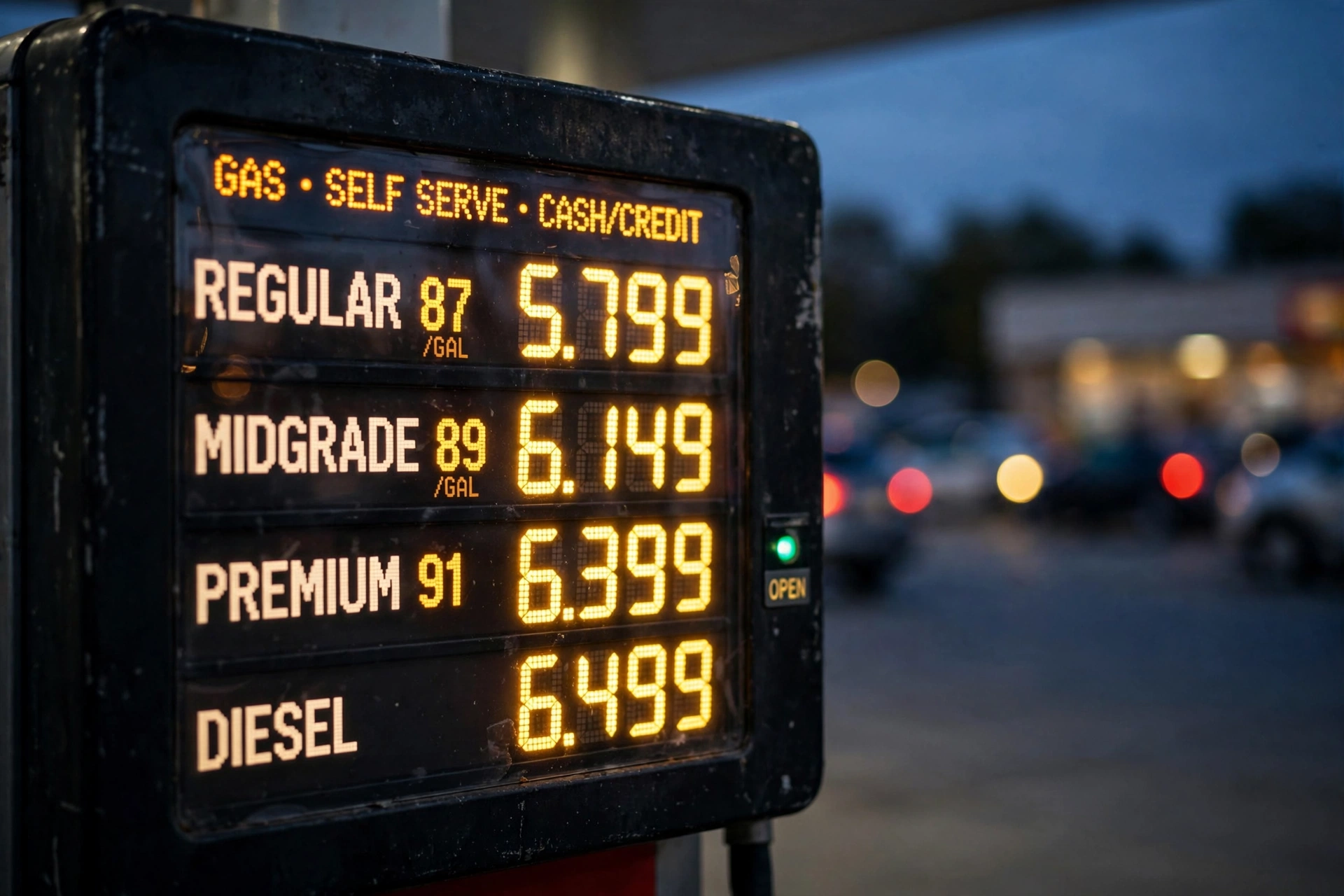
For everyday drivers, the question is simple: will pump prices rise? Crude is only one input. When the crude oil price spikes, refineries pay more for raw material, and surging freight and insurance add a second layer of cost. Both pass downstream with a lag, so fuel prices typically follow big oil moves within days to weeks. None of this is a forecast or a recommendation — this article is informational only and not financial advice.
What to Watch Next
- Further Hormuz incidents: Another strike, a sinking, or a naval confrontation would likely push Brent higher fast.
- OPEC+ next move: The freeze on increases holds through year-end, but watch for any emergency meeting if prices spike or supply tightens.
- G7 release timing: How fast the 100 million barrels actually reach the market will decide how much downward pressure they exert.
- Houthi/Yemen escalation: The Economic Times reported the Houthis claimed missile and drone strikes on Saudi Aramco sites in Riyadh and the Khurais area, in response to what they described as 50 Saudi-led strikes in Yemen over 12 hours — Saudi Arabia has not confirmed the attacks. Meanwhile, Yemen’s Saudi-backed, internationally recognized government said Sunday it is launching a major campaign to retake Houthi-controlled areas.
- Saudi pricing: After the surprise Asian discount, watch whether Aramco’s next move signals demand confidence or market-share defense.
Brent above $100, tankers under threat, OPEC+ standing pat, and emergency barrels not yet denting the fear premium. Until the strait is quiet again, expect that premium to stick.